As we navigate the journey of aging, many wonder, "what is the best age for preventive anti aging?" This question reflects a deep desire to maintain youthfulness and vitality. While the answer may vary among individuals, certain age milestones can provide insights into effective strategies for combating the signs of aging.
Research shows that starting preventive measures in your late 20s or early 30s can yield significant benefits. At this age, skin begins to lose its natural elasticity. Incorporating hydration and sun protection becomes crucial. By the time you reach your 40s, collagen production declines. Here, adjusting skincare routines and incorporating antioxidants can help. Many often overlook these changes, and it’s essential to reflect on one’s habits as the years progress.
In our 50s and beyond, understanding personal skin needs is vital. This is a time for more tailored approaches. Consulting with skincare professionals can lead to better choices. Individuals must recognize their unique aging patterns. Embracing these shifts allows for a proactive rather than reactive stance against aging. The quest for beauty isn’t just about age; it’s about knowledge and application.
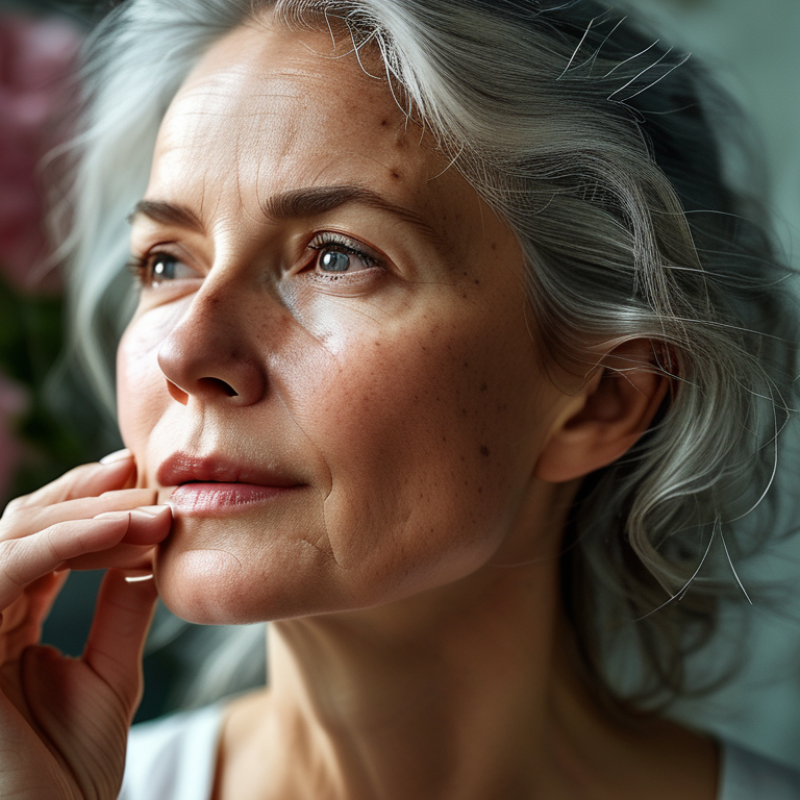
Aging is an inevitable part of life. It affects our bodies in various ways, from the skin losing elasticity to joint discomfort. Each person ages differently, shaped by genetics, lifestyle, and environmental factors. Understanding these changes is essential to improving our quality of life.
Tips for starting preventative anti-aging measures can be simple yet effective. Incorporate a diet rich in antioxidants, like fruits and vegetables, to combat oxidative stress. Daily hydration is vital; it keeps the skin plump and reduces the appearance of fine lines. Adding a regular exercise routine helps maintain muscle mass and improves mood.
Self-care plays a significant role in how we face aging. Establish routines that promote mental health, such as meditation or engaging in hobbies. It’s okay to feel overwhelmed sometimes. Reflection on what works and what doesn’t is necessary. Adapting and learning is part of the journey.
Aging is a complex process influenced by various factors. Genetics plays a significant role. If your parents aged gracefully, there’s a chance you might too. Environmental factors also affect how we age. For instance, exposure to sunlight can lead to skin damage. Pollution can contribute to accelerated aging. These external elements are critical in determining one's aging trajectory.
Lifestyle choices have a profound impact as well. Diet, exercise, and sleep quality are pivotal. A diet rich in antioxidants can slow aging. Regular physical activity helps maintain muscle mass and improves circulation. Poor sleep can lead to premature aging signs. Reflecting on these choices allows individuals to make positive changes.
Mental health should not be overlooked. Stress can cause significant damage over time. Practices like mindfulness and meditation can enhance mental resilience. Recognizing the need for balance is essential. Aging gracefully requires attention to multiple aspects, not just physical health. Embracing imperfections and learning from them is part of the journey.
As we age, understanding the best age to implement preventive anti-aging strategies becomes crucial. For many experts, the late 20s to early 30s is an optimal time to start. During this period, skin begins to show signs of aging like fine lines. Incorporating a solid skincare routine at this age can yield long-term benefits. Simple habits like daily sunscreen use can protect the skin from harmful UV rays.
Moving into our 40s, skin elasticity declines significantly. This decade presents an opportunity to reassess your anti-aging strategies. Integrating antioxidants and more intensive moisturizers can help combat deeper wrinkles. Mindful eating also plays a role. A balanced diet rich in vitamins can nourish the skin from within. Some may find that despite efforts, certain areas need additional attention. It’s okay to reflect on what’s working and what’s not in your routine.
In your 50s and beyond, hydration is key. The skin loses moisture, leading to a dull appearance. Using heavier creams and hydrating serums can be effective. However, it's essential to listen to your skin's needs. Some products might irritate sensitive skin; smaller patches can help test reactions before full application. Each stage of life provides unique challenges and opportunities for growth in your anti-aging journey.
Aging isn’t just about the numbers. It’s about how we approach life at different stages.
In your 20s, focus on hydration and sunscreen.
The skin is youthful but needs protection. Embrace a balanced diet rich in antioxidants.
This sets a solid foundation for healthy skin.
As you enter your 30s, stress management becomes crucial.
Stress can accelerate aging. Incorporating yoga or meditation can help.
Regular exercise is essential too. It boosts circulation and rejuvenates skin.
Note that some may neglect their skincare routine during busy days.
It’s vital to maintain consistency.
In your 40s and beyond, consider incorporating retinoids and peptides.
These can stimulate collagen production.
Regular check-ups with a healthcare professional ensure your strategies are effective.
It’s also a time for reflection on lifestyle choices.
Some may struggle with this. Acknowledging imperfections is part of the journey.
Balancing inner well-being with outer care is key.
Aging is a complex process influenced by genetics. Your family history can reveal much about how you might age. Some people have genetic traits that promote longevity, while others may face age-related issues earlier. Understanding this can shape your approach to aging and health.
To mitigate some genetic predispositions, preventive measures can play a crucial role. Regular exercise, a balanced diet, and adequate sleep are vital. Staying active keeps your body and mind sharp. Eating plenty of fruits and vegetables contributes to skin health and vitality. Aim for seven to eight hours of sleep for better recovery.
Consider incorporating stress-reducing activities into your routine. Meditation, yoga, or simple breathing exercises can lower stress levels. Self-care routines like skincare can also enhance your overall well-being. Remember that genetics is just one piece of the puzzle. Your lifestyle choices significantly influence how you age. Reflecting on your habits can lead to positive changes.
| Age Range | Genetic Influence | Preventive Measures | Recommended Tips |
|---|---|---|---|
| 20-29 | Low | Sunscreen, Hydration | Daily SPF, Moisturizing |
| 30-39 | Moderate | Skincare Routine, Nutrition | Antioxidants, Vitamin C |
| 40-49 | High | Anti-aging Products, Checkups | Retinol, Regular Dermatologist Visits |
| 50+ | Very High | Hormonal Balance, Healthy Lifestyle | Physical Activity, Balanced Diet |
: Genetics, environment, and lifestyle choices are key influencers. They shape how we age over time.
Sunlight can cause skin damage, leading to premature aging signs. Protection is essential for youthful skin.
Stress can accelerate aging significantly. Practices like meditation can enhance mental health and resilience.
A diet rich in antioxidants can slow the aging process. Nutrient choices matter for long-term skin health.
Regular physical activity maintains muscle mass and improves circulation. Both are vital for a youthful appearance.
In your 20s, focus on hydration and sun protection. In your 30s, incorporate stress management and exercise.
Using retinoids and peptides can stimulate collagen. Regular health check-ups are also important for effective strategies.
Reflecting on lifestyle choices and accepting imperfections is crucial. Balance between inner and outer care is key.
Poor sleep can lead to visible signs of aging. Quality sleep helps maintain overall skin health.
While changes won't erase aging, they can improve how we age. Positive actions can lead to better outcomes.
The article explores the multifaceted nature of aging and its effects on the human body, emphasizing the importance of understanding the biological and environmental factors that contribute to the aging process. It discusses what is the best age for preventive anti-aging measures, highlighting that early intervention can significantly impact long-term health and appearance.
Optimal ages for implementing these strategies vary, with recommendations tailored to different life stages. Essential preventive anti-aging tips are provided for each phase, stressing lifestyle choices such as diet, exercise, and skincare routines. Additionally, the article evaluates the role of genetics in the aging process, suggesting that while some aspects are predetermined, proactive measures can mitigate their effects and enhance overall well-being.
