When Is the Best Time to Start Anti Aging Skin Care?

Time:2026-06-04 Author:Sienna
0%

Aging is a natural process that affects all of us. With age, our skin changes. It can lose elasticity, become dry, and show fine lines. Understanding when to start using anti aging skin care is crucial. Most experts recommend starting in your late 20s or early 30s. However, this can vary based on individual skin types and environmental factors.

Many people don't realize the importance of early care. Waiting too long can lead to irreversible damage. Starting early can help maintain youthful skin. Research shows that preventive measures are often more effective than corrective ones. Incorporating a good moisturizer and sunscreen is vital. These simple steps can make a significant difference over time.

Ultimately, the decision on when to start using anti aging skin care should be personal. Consider your skin's unique needs. Consult a dermatologist for tailored advice. Aging gracefully requires awareness and proactive care. Reflect on your habits now to cherish your skin later.
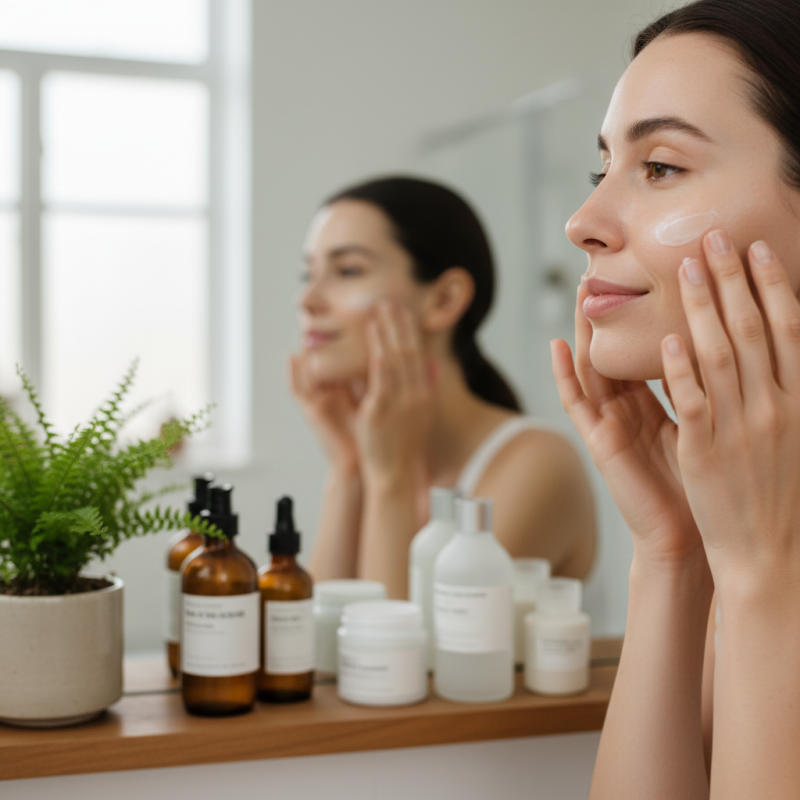
When Is the Best Time to Start Anti Aging Skin Care?

Understanding the Aging Process: Why It Matters for Skin Care

Understanding the aging process is crucial for effective skin care. The skin undergoes various changes as we age, with loss of collagen and elastin being significant factors. By the age of 30, collagen production can drop by about 1% each year. This gradual decline leads to wrinkles and sagging. Recognizing this natural process helps in choosing the right products and routines.

The importance of starting anti-aging care early cannot be overstated. Studies indicate that skin begins to show signs of aging in the late 20s to early 30s. A report by the American Academy of Dermatology suggests that preventive measures show better results than corrective treatments. Incorporating antioxidants and sunscreens can enhance skin resilience long before deep wrinkles develop.

However, not everyone begins their skin care journey at the same age. Many people only consider anti-aging products after signs become apparent. This can result in frustration and a feeling of inadequacy. It’s essential to acknowledge that everyone’s skin ages differently. Understanding your skin type and its needs is just as important as the products used. The journey in skin care is personal, and there’s no one-size-fits-all solution.

Age Milestones: When to Consider Anti-Aging Skin Care

As we progress through life, our skin undergoes various changes tied to age milestones. In our 20s, skin is generally firm and resilient. However, starting at this age, the production of collagen begins to slow down. According to the American Academy of Dermatology, this reduction can lead to early signs of aging, such as fine lines and uneven skin tone. Therefore, introducing preventive measures early can be beneficial.

By the time we reach our 30s, the need for anti-aging skin care becomes more pronounced. A study published in the Journal of Investigative Dermatology states that skin elasticity decreases by about 1% each year post-30. Utilizing products that contain antioxidants and hydrating ingredients can help maintain moisture and protect against environmental stressors. Recognizing factors like lifestyle and genetics also plays an essential role in skin aging, prompting the need for personalized skin care routines.

Transitioning into our 40s, it’s common to notice increased dryness and sagging. Research indicates that hormonal changes significantly impact skin texture. Now more than ever, integrating nourishing creams and serums that focus on regeneration is crucial. Many people reflect on their past routines and realize the importance of consistent care. Starting and adapting skin care routines according to age milestones can lead to healthier, more resilient skin in the long run.

When Is the Best Time to Start Anti Aging Skin Care?

This chart illustrates the percentage of individuals considering starting anti-aging skin care at different age milestones. As seen, a significant increase in interest is noted as individuals reach their 40s and 50s.

Key Ingredients in Anti-Aging Products: What to Look For

When choosing anti-aging products, understanding key ingredients is vital. Look for antioxidants like vitamins C and E. These help combat free radical damage. They promote brighter skin and improve texture. Peptides are another essential. They support collagen production. This enhances skin elasticity and firmness.

Hyaluronic acid is important for hydration. It retains moisture, keeping skin plump. Consider retinoids, known for their renewal properties. They can reduce fine lines and improve skin tone. However, they can cause irritation. Start with lower concentrations and gradually increase use.

Sunscreen is non-negotiable. UV protection prevents premature aging. Many products contain SPF, which is ideal. Always read labels carefully. Effectiveness varies among formulations. Some ingredients may irritate sensitive skin. Testing a patch before full application is wise. Keep track of your skin's response. Not every product will suit everyone. You might have to experiment.

When Is the Best Time to Start Anti Aging Skin Care? - Key Ingredients in Anti-Aging Products: What to Look For

Age Range Recommended Products Key Ingredients Primary Benefits
20-30 years Light Moisturizers, Sunscreen Hyaluronic Acid, SPF Hydration, UV Protection
30-40 years Serums, Retinoids Retinol, Vitamin C Collagen Production, Brightening
40-50 years Deep Moisturizers, Peptides Peptides, Glycolic Acid Skin Firming, Texture Improvement
50+ years Rich Creams, Treatments Ceramides, Antioxidants Restore Barrier, Reduce Wrinkles

Creating a Personalized Anti-Aging Skin Care Routine

Creating a personalized anti-aging skin care routine requires understanding your skin's unique needs. Studies indicate that skin begins to lose elasticity around age 25. At this point, a robust skincare routine becomes essential. Incorporating hydration is crucial, as dry skin shows signs of aging faster. Research shows that moisturizers can improve skin texture, but the choice must be personalized.

The importance of antioxidants should not be overlooked. Data from dermatological studies suggests that vitamin C can reduce hyperpigmentation and fine lines. Look for products with natural extracts. However, not all ingredients work for everyone. A patch test can help avoid irritation. Observing how your skin responds over time is vital.

Regular adjustments to your routine may be necessary. What works today might not suit your skin a year later. New environmental factors or changes in lifestyle can impact your skin. Listen to your skin's signals. Finding the right balance in a routine takes time and patience. Embrace the process.

The Role of Lifestyle Choices in Skin Aging and Care

Skin aging is influenced by various lifestyle choices. Diet, exercise, and sleep play crucial roles in maintaining youthful skin. A balanced diet rich in fruits and vegetables provides essential vitamins. Antioxidants found in these foods combat free radicals, which can damage skin cells. Proper hydration also improves skin elasticity and reduces wrinkles.

Regular exercise boosts circulation and promotes healthier skin. It helps deliver oxygen and nutrients to skin cells. Moreover, adequate sleep allows the body to repair itself. Lack of sleep can lead to dull skin and dark circles. Stress management is equally important; chronic stress can accelerate skin aging.

It's essential to reflect on your daily habits. Do you consume enough water? Are you getting sufficient rest? Consider small changes, like incorporating more greens into your meals or finding time for workouts. Every choice has an impact. Acknowledge your skincare regimen may need adjustments based on your lifestyle.

FAQS

: What are key ingredients to look for in anti-aging products?

: Look for antioxidants like vitamins C and E. They help brighten skin and improve texture.

Why are peptides important for skin care?

Peptides support collagen production. They help enhance skin elasticity and firmness over time.

How does hyaluronic acid benefit my skin?

Hyaluronic acid retains moisture, keeping skin plump and well-hydrated, reducing signs of aging.

What role do retinoids play in anti-aging?

Retinoids promote skin renewal. They can reduce fine lines but may cause irritation if misused.

Why is sunscreen essential for skin health?

Sunscreen protects skin from UV damage. It helps prevent premature aging and keeps your skin looking youthful.

How do I create a personalized skincare routine?

Understand your skin's needs. Experiment with hydration and monitor your skin's response over time.

Why is it important to patch test new products?

A patch test helps avoid irritation. Not all ingredients work for every skin type, so testing is key.

Should I change my skincare routine regularly?

Yes, your skin's needs may change over time due to factors like environment or lifestyle. Adjust accordingly.

How can I tell if a product is working for me?

Observe your skin's reaction over weeks. You might need patience to find the right balance for your routine.

What if I still experience issues with my skin?

If issues persist, consider consulting a dermatologist. Each person's skin responds differently, and professional advice may help.

Conclusion

Understanding when to start using anti-aging skin care is essential for maintaining healthy skin as we age. The aging process affects our skin in various ways, including the loss of elasticity and the appearance of fine lines. Significant age milestones, such as the late twenties and early thirties, signal the ideal times to incorporate anti-aging products into one's routine.

Key ingredients to look for in these products include retinoids, antioxidants, and peptides, which work to combat signs of aging effectively. Tailoring a personalized anti-aging skin care routine that considers individual skin types and concerns is crucial. Additionally, lifestyle choices such as a balanced diet, regular hydration, and sun protection play a significant role in skin aging and overall care. With this knowledge, individuals can make informed decisions about when to start using anti-aging skin care and how to maintain healthy, youthful skin over time.

Sienna

Sienna

Sienna is a skilled marketing professional with a deep expertise in our company’s core products and services. With a passion for innovation and detail, she plays a pivotal role in crafting insightful blog posts that not only highlight the unique features of our offerings but also provide valuable......