When considering hair removal options, many people wonder, "what is the difference between IPL and laser?" Both methods have gained popularity for their effectiveness. Understanding these differences can help you choose the right treatment for your needs.
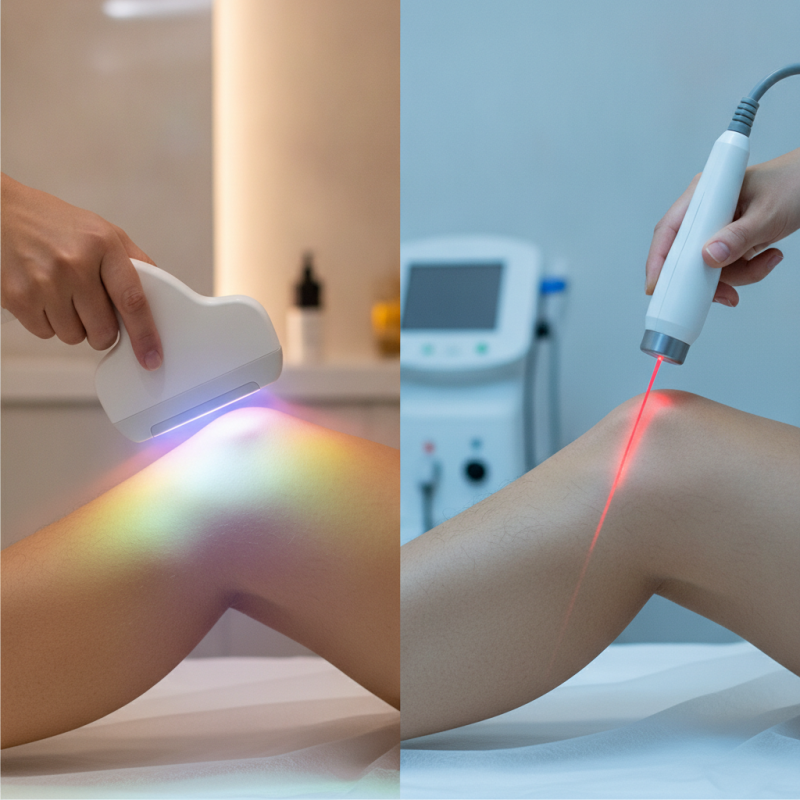
IPL, or Intense Pulsed Light, uses broad-spectrum light to target hair follicles. This technique can treat larger areas quickly. However, results may vary based on skin type and hair color.
On the other hand, laser hair removal utilizes focused laser beams. This method is often more precise and suitable for individuals with specific hair and skin types. Achieving optimal results may require multiple sessions. It's essential to consult with professionals to understand the best option for you. Each treatment has its pros and cons. Careful reflection on your skin type and pain tolerance can guide your decision.
Understanding IPL and Laser Treatments
Intense Pulsed Light (IPL) and laser treatments are two popular options for skin rejuvenation. Both methods target various skin issues, including pigmentation, acne scars, and wrinkles. Each treatment works through different mechanisms. IPL uses broad-spectrum light to deliver multiple wavelengths, while lasers emit focused beams of light at specific wavelengths.
Research indicates that IPL is effective for redness and skin tone improvement. A study published in the *Journal of Cosmetic Dermatology* highlights that 80% of patients see significant results after a series of IPL sessions. The procedure is generally less painful than laser treatments. However, it may require more sessions for optimal results.
On the other hand, laser treatments offer precision. They can target deeper skin layers, making them ideal for issues like deep scars and fine lines. According to a *Dermatologic Surgery* report, laser treatments yield longer-lasting results with fewer sessions. However, they are associated with longer recovery times. Some patients experience discomfort post-treatment. Understanding these distinctions can help individuals make informed choices. Potential users should weigh the benefits of each method alongside their skin concerns.
The Technology Behind IPL and Laser Hair Removal
Intense Pulsed Light (IPL) and laser hair removal are popular options, but they differ in technology. IPL uses broad-spectrum light to target hair follicles. It emits multiple wavelengths, allowing for large treatment areas. This makes IPL effective and quick, ideal for larger surfaces like legs or backs.
On the other hand, lasers use a focused, single wavelength of light. This specificity allows lasers to penetrate deeper skin layers, targeting hair follicles more precisely. A study from the Journal of Cosmetic Dermatology notes that laser hair removal offers a 65-90% reduction in hair growth after several sessions. IPL, while effective, is generally less precise.
Patient comfort can vary. Many report IPL treatments to be more tolerable compared to laser techniques. Some experience redness or swelling post-treatment; this is not uncommon. Both methods require multiple sessions for optimal results, and some individuals may not respond as well to IPL. Each person's skin type and hair color can affect outcomes, making consultation essential.
IPL vs Laser Key Differences You Should Know
| Feature |
IPL (Intense Pulsed Light) |
Laser Hair Removal |
| Technology Type |
Broad-spectrum light |
Single wavelength laser |
| Hair Removal Method |
Uses multiple wavelengths |
Targets specific hair pigments |
| Treatment Speed |
Faster for larger areas |
Generally slower on larger areas |
| Skin Types |
Effective on a wide range of skin types |
Best suited for lighter skin types |
| Pain Level |
Mild discomfort |
Can be more painful |
| Sessions Required |
More sessions may be needed |
Fewer sessions generally needed |
| Cost |
Usually lower per session |
Typically higher per session |
Comparative Effectiveness of IPL vs Laser Treatments
When comparing the effectiveness of IPL (Intense Pulsed Light) and laser treatments, understanding their unique mechanisms is crucial. IPL utilizes a broad spectrum of light wavelengths to address various skin issues. It is often used for pigmentation, redness, and hair removal. The treatment targets specific skin types and conditions, allowing for versatile applications. However, its effectiveness can vary based on skin tone and the specific condition being treated.
Lasers, on the other hand, offer a more focused approach. They emit a single wavelength of light, which penetrates deeper into the skin. This precision can make lasers more effective for particular issues like acne scars or deeper pigmentation problems. The healing time after laser treatments can be longer due to the intensity, requiring careful post-treatment care. Patients may experience new skin textures or changes that need monitoring.
Both treatments have their advantages and downsides. Some may find IPL less painful, while others prefer the quick results of lasers. However, individual experiences can vary significantly. It’s essential to consult with a certified dermatologist to assess personal skin needs before deciding. Consideration of skin type, the severity of issues, and personal pain tolerance can influence the choice between IPL and laser treatments.
Skin Types and Sensitivity Considerations
When considering IPL (Intense Pulsed Light) and laser treatments, it's crucial to understand skin types and sensitivity. Different skin types react uniquely to these treatments. A study by the American Academy of Dermatology shows that specific wavelengths used in lasers might be more effective for darker skin tones, reducing the risk of pigmentation changes. In contrast, IPL can be less targeted and may cause discomfort for sensitive skin.
Skin sensitivity is another critical factor. Research indicates that individuals with sensitive skin may experience redness and irritation post-treatment. According to a survey in the Journal of Aesthetic Dermatology, around 30% of patients reported increased sensitivity after IPL compared to only 10% after laser treatments. This indicates that while IPL can be effective, it may not be suitable for everyone, particularly those prone to irritation.
Moreover, individual pain tolerance varies significantly. What one person finds bearable, another may find intolerable. This subjectivity complicates treatment planning. Practitioners must consider testing on a small skin area to gauge reactions. Such trials help ensure safety and efficacy, reflecting a commitment to personalized care in aesthetic procedures.
IPL vs Laser Treatment: Key Differences Based on Skin Types and Sensitivity
This chart illustrates the effectiveness of IPL and Laser treatments across different skin types. IPL tends to be more effective on lighter skin types, while laser treatments demonstrate better results on darker skin types. Understanding these differences can help patients select the appropriate treatment based on their skin type and sensitivity.
Cost and Availability of IPL vs Laser Options
When considering hair removal options, both IPL and laser treatments stand out. Yet, their
cost and availability can vary significantly. Generally, IPL treatments are
more affordable than laser options. You can often find IPL in salons or clinics, making it widely
accessible. On the other hand, laser treatment may require more specialized clinics. This can influence your decision
based on convenience and budget.
It’s essential to understand that while IPL is cheaper, it might require more sessions for noticeable results.
Laser options may be pricier but often yield longer-lasting effects. Think about what fits into your lifestyle
and needs.
Tip: Always research providers in your
area. Prices can vary, even for the same treatment.
Pay attention to your skin type as well. Different wavelengths target various skin
tones effectively. Not all options work for everyone.
Tip: Consult with a professional
before making a choice. Their insight can help you avoid costly mistakes.
Conclusion
IPL (Intense Pulsed Light) and laser treatments are two popular methods for hair removal, each employing different technologies to achieve effective results. The key difference lies in how they target hair follicles. IPL uses a broad spectrum of light, making it suitable for larger areas and various skin types, while lasers deliver focused wavelengths, offering precision for specific hair colors and skin tones. Understanding what is the difference between IPL and laser can help individuals choose the right method based on their hair type, skin sensitivity, and desired outcome.
When considering these treatments, factors such as effectiveness, potential side effects, costs, and the availability of services also play a crucial role. IPL may be less expensive and more accessible, but laser treatments often provide longer-lasting results for certain skin tones. Ultimately, the choice between IPL and laser should take into account personal skin characteristics, treatment goals, and budget considerations.

 Monae Beauty