How Does Laser Hair Removal Work Effectively on Dark Skin?

Time:2026-05-29 Author:Isabella
0%

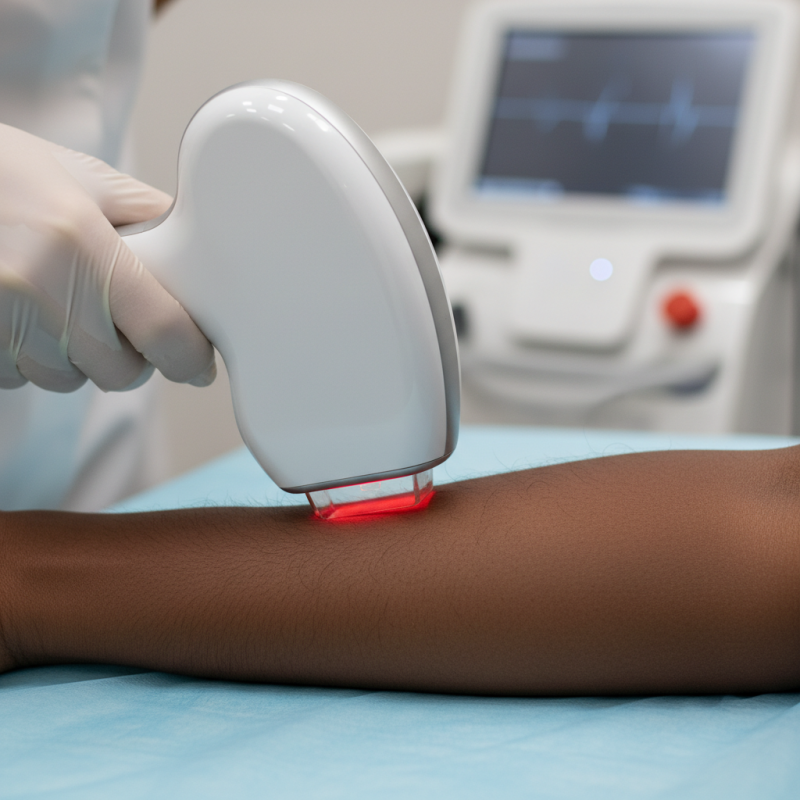
Laser hair removal has gained popularity as an effective solution for unwanted hair. However, many people wonder, "how does laser hair removal work on dark skin?" The process involves using concentrated light to target hair follicles. Dark skin presents unique challenges in this procedure.

The key lies in the contrast between the skin and hair color. Dark skin contains more melanin, which absorbs more light. This increases the chances of skin irritation or burns. Therefore, specialized technology is essential for safety and effectiveness.

Professionals utilize specific wavelengths of light. These are less absorbed by melanin in the skin but effectively target the hair follicles. Selecting the right machine and technique is crucial. Not all clinics are equipped for dark skin treatments. Careful research and consultation are necessary. Reflecting on personal experiences can also guide individuals seeking this service.
How Does Laser Hair Removal Work Effectively on Dark Skin?

Understanding Laser Hair Removal Technology

Laser hair removal technology uses concentrated light to target hair follicles. This method effectively reduces hair growth through selective photothermolysis. The laser emits a wavelength of light that is absorbed by the pigment in the hair, damaging its structure.

For individuals with dark skin, the challenge lies in the contrast between the skin tone and hair color. Traditional lasers may not effectively distinguish between light skin and dark hair. However, advanced technologies now employ specific wavelengths that can safely treat darker skin types. These lasers minimize damage to surrounding skin while still targeting pigmented hair.

Despite its effectiveness, some clients may experience temporary irritation post-treatment. Not everyone achieves the desired results after just a few sessions. Variability in hair growth cycles means some hairs may still escape treatment. Professionals should always customize laser settings based on individual skin types. This ensures a more precise and effective approach to hair removal.

The Science Behind Hair Growth and Laser Interaction

Laser hair removal operates through a process of selective photothermolysis, targeting melanin in hair follicles. In darker skin tones, the challenge lies in differentiating between the pigmentation of the skin and the hair. Effective treatments require a careful balance of laser wavelength and pulse duration. According to industry data, the Nd:YAG laser is often used for darker skin types due to its longer wavelength, which reduces the risk of damaging the surrounding skin.

Studies show that, when tailored correctly, laser hair removal can achieve up to 90% hair reduction after several sessions. However, not all patients achieve the same results. Skin type, hair thickness, and laser calibration play crucial roles in effectiveness. A report from the Journal of Cosmetic Dermatology highlights that patients with coarse, dark hair typically respond better to these treatments. Despite advances, occasional pigmentation changes or hair regrowth can occur.

Ongoing training for practitioners is essential. Knowledge of skin physiology and advanced laser technology greatly influences treatment outcomes. An experienced technician can mitigate risks while optimizing results. Even with expertise, it's vital to acknowledge that individual responses may vary. Continuous monitoring and adjusting treatment plans ensure a safer and more effective experience for patients with darker skin.

Effectiveness of Laser Hair Removal on Dark Skin

Laser hair removal is increasingly popular among individuals with dark skin. However, the effectiveness of the treatment can vary. Darker skin has more melanin, which can absorb more laser energy. This can lead to concerns about safety and effectiveness.

To effectively remove hair on dark skin, it is crucial to choose the right type of laser. Nd:YAG lasers are often recommended, as they safely target hair follicles without damaging surrounding skin. It’s also important to adjust the laser's settings to ensure safety and maximize results. Consulting with an expert in laser technology can enhance your experience and outcomes.

Here are a few tips for successful laser hair removal on dark skin:

  • Choose an experienced technician. Look for professionals who specialize in dark skin types.
  • Avoid sun exposure. Protecting your skin from sun damage before treatment is essential.
  • Discuss your medical history. This helps tailor the treatment plan to your specific needs.

Factors Influencing Laser Efficacy for Darker Skin Tones

Laser hair removal is a popular option for many seeking smooth skin. However, darker skin tones present unique challenges. The efficacy of laser treatments largely depends on the contrast between the hair color and skin tone. For individuals with dark skin, the laser can sometimes target surrounding skin rather than just the hair follicle.

Consider these tips for successful treatment on darker skin. First, choose a laser designed for darker skin. Some lasers are better at distinguishing between the pigment in hair and skin. Consulting a professional with experience in dark skin treatments is crucial. Their expertise can make a significant difference.

Additionally, skin preparation matters. Exfoliating the treatment area can enhance laser efficacy. This helps remove dead skin cells and may allow better laser penetration. Hydration is also important. Drink plenty of water leading up to your appointment. Staying well-hydrated can support skin health, which may influence the treatment's outcome. Always follow aftercare instructions diligently for optimal healing and results.

Post-Treatment Care for Optimal Results on Dark Skin

Post-care is crucial after laser hair removal, especially for dark skin. The skin can experience irritation or changes in pigmentation. Applying a soothing gel or aloe vera helps alleviate discomfort. Avoiding sun exposure is essential. Ultraviolet rays can cause further irritation or darkening of the treated area. Protective clothing or a high-SPF sunscreen should be used diligently.

Hydration is another key aspect of post-treatment care. Drinking plenty of water keeps the skin hydrated from within. It is also important to apply moisturizing lotion daily. This aids in healing and prevents dryness. Regular gentle exfoliation, after the initial healing period, assists in removing dead skin cells. However, be cautious not to overdo it, as the skin can be sensitive after treatment.

Some patients may notice a slight change in skin tone after the procedure. This is often temporary, but monitoring these changes is important. Consulting your laser technician or dermatologist can provide reassurance. Open communication keeps expectations realistic and ensures a smoother recovery. Each person's skin reacts differently, and being patient is vital for optimal results.

FAQS

: What is the main principle behind laser hair removal?

: Laser hair removal uses selective photothermolysis to target melanin in hair follicles.

Why is laser hair removal more challenging for darker skin tones?

Dark skin has more melanin, which can absorb more laser energy, complicating safety and effectiveness.

Which laser type is preferred for darker skin?

The Nd:YAG laser is often used, as it reduces the risk of damaging surrounding skin.

How effective is laser hair removal on dark skin?

When tailored properly, it can lead to up to 90% hair reduction after multiple sessions.

What factors can affect the results of laser hair removal?

Skin type, hair thickness, laser calibration, and the experience of the technician all influence outcomes.

Can pigmentation changes occur after treatment?

Yes, occasional pigmentation changes or hair regrowth may happen, even with skilled practitioners.

How can one prepare for effective laser hair removal?

Avoid sun exposure and discuss your medical history with the technician to tailor your treatment.

What role does practitioner experience play?

An experienced technician can optimize results and minimize risks during the procedure.

Is every patient guaranteed the same results?

No, individual responses vary, and it's crucial to monitor and adjust treatment plans accordingly.

What is a common advice for dark skin patients considering laser hair removal?

Choose a professional specializing in dark skin types to enhance safety and results.

Conclusion

Laser hair removal is an advanced technology that targets hair follicles using concentrated light beams. Understanding how does laser hair removal work on dark skin involves recognizing the interaction between the laser and the pigment in the hair. The process works by emitting a specific wavelength of light that is absorbed by the melanin in the hair, leading to its destruction while minimizing damage to the surrounding skin.

However, the effectiveness of laser hair removal on dark skin can vary based on multiple factors, such as skin tone, hair color, and the type of laser used. Darker skin may pose challenges due to the higher melanin levels, which can absorb more light, increasing the risk of skin damage. Therefore, selecting an appropriate laser and following post-treatment care guidelines are crucial for optimizing results and ensuring the safety and effectiveness of the procedure.

Isabella

Isabella

Isabella is a dedicated marketing professional with a sharp focus on driving brand growth and engagement through strategic content creation. With an extensive background in digital marketing, she combines her passion for storytelling with her keen understanding of industry trends to deliver......