How to Reduce Redness After Carbon Laser Peel?

Time:2026-09-18 Author:Ethan
0%

Redness after a carbon laser peel can look alarming, especially across the cheeks, nose, or jawline. In most cases, mild warmth and pinkness reflect temporary irritation after laser energy and exfoliation. Understanding how to reduce redness after carbon laser peel starts with respecting the skin barrier, not adding stronger products.

Board-certified dermatologist Dr. Dendy Engelman advises, “Gentle skin care is essential when the skin barrier is temporarily vulnerable.” Her guidance reflects a practical approach: use a cool, clean compress for several minutes, then apply a fragrance-free moisturizer. Avoid scrubs, retinoids, vitamin C serums, exfoliating acids, and hot showers for the period recommended by your provider. Keep the room cool. Touch the area less.

Broad-spectrum SPF 30 or higher is also important. Sun exposure can prolong redness and increase the risk of uneven pigmentation. Reapply sunscreen outdoors, even when the redness seems mild. Follow your clinic’s aftercare instructions, because laser settings, skin tone, and treatment intensity vary.

A small mistake can matter. I once underestimated how quickly heat from exercise could worsen facial flushing after a peel. That experience reinforced the value of slower recovery and clearer aftercare. Persistent swelling, blistering, severe pain, pus, or worsening redness requires prompt medical advice. Online tips cannot replace an examination. A qualified dermatology professional can identify irritation, allergy, infection, or a less common complication and recommend safer treatment.
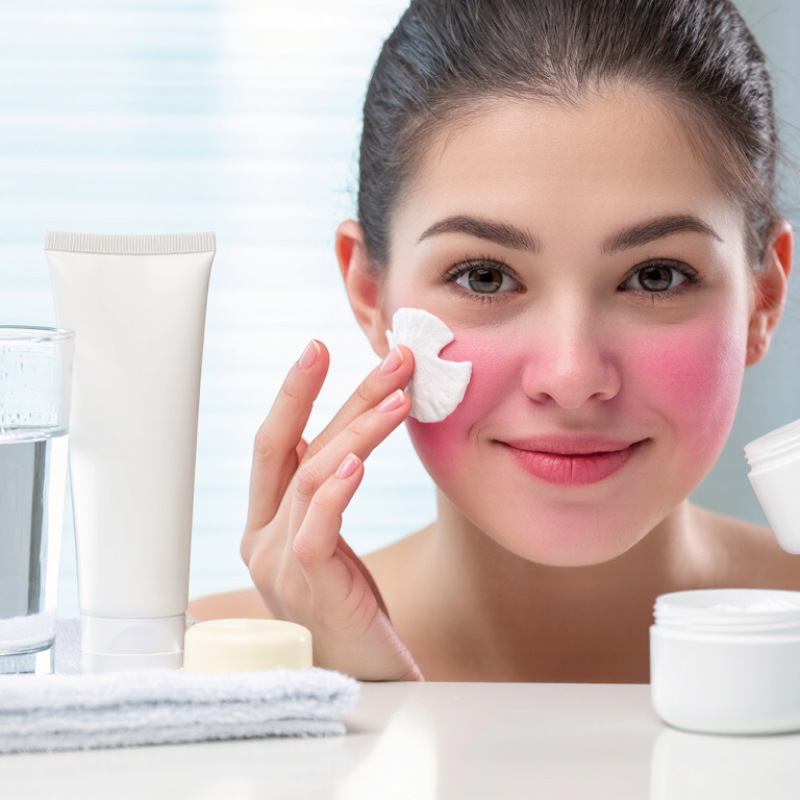
How to Reduce Redness After Carbon Laser Peel?

What Causes Redness After a Carbon Laser Peel?

After a carbon laser peel, redness usually reflects a temporary inflammatory response. Laser heat warms the skin and stimulates blood flow near the surface. This can leave cheeks looking flushed, especially during the first few hours.

The carbon layer may also increase heat absorption during treatment. Sensitive areas, such as the nose and upper cheeks, can react more visibly. Mild dryness or tightness may appear as the outer skin barrier recovers. Friction, hot showers, exercise, sunlight, and spicy foods can make the color look stronger. Skincare products containing acids, retinoids, fragrance, or alcohol may add irritation.

The cause is not always obvious. Skin type, treatment settings, and previous sensitivity all matter. In practice, redness often improves with gentle cleansing, cool compresses, and a simple moisturizer. Avoid rubbing the skin or applying strong active ingredients until comfort returns. Daily broad-spectrum sunscreen also helps prevent prolonged discoloration. I would not assume every red mark is normal, though. Increasing warmth, swelling, pain, pus, or spreading redness requires prompt assessment by a qualified medical professional. Even mild redness deserves attention when it lasts longer than expected.

Immediate Steps to Calm Post-Treatment Skin Redness

How to Reduce Redness After Carbon Laser Peel?

Immediate Steps to Calm Post-Treatment Skin Redness

Mild redness after a carbon laser peel can resemble a light sunburn. It often reflects temporary heat and skin sensitivity. Follow your practitioner’s aftercare instructions, since treatment settings and skin conditions vary. Place a clean, cool, damp cloth over the area for five to ten minutes. Do not apply ice directly. It can irritate recently treated skin.

Cleanse gently with lukewarm water and a fragrance-free cleanser. Pat your face dry with a soft towel. Apply a simple, non-irritating moisturizer while the skin still feels slightly damp. Avoid scrubs, retinoids, exfoliating acids, alcohol-based products, and hot water for at least 24 to 48 hours. Your clinician may recommend a longer pause. Keep it simple.

A broad-spectrum sunscreen is essential when you go outside. Use shade and a wide-brimmed hat as extra protection. Heat, intense exercise, saunas, and spicy foods may make flushing more noticeable during the first day. I used to think applying more products would speed recovery, but over-treating sensitive skin often causes more discomfort. Redness should gradually improve, not intensify. Contact your treatment provider if swelling increases, blistering appears, pain becomes severe, or redness spreads after the expected recovery period. A personal photo taken in the same lighting can help you judge changes more accurately.

How to Reduce Redness After Carbon Laser Peel? - Immediate Steps to Calm Post-Treatment Skin Redness

Immediate Step How to Do It Why It May Help Recommended Timing
Apply a cool compress Place a clean, cool, damp cloth over the treated area for about 5–10 minutes. Do not apply ice directly to the skin. Cooling can temporarily reduce heat, discomfort, and the appearance of flushing. As needed during the first several hours, if the skin feels warm or irritated.
Use a gentle moisturizer Apply a fragrance-free, non-comedogenic moisturizer recommended for sensitive or post-procedure skin. Supporting the skin barrier may reduce dryness, tightness, and irritation. After cleansing and whenever the skin feels dry or tight.
Cleanse carefully Wash with lukewarm water and a mild, non-abrasive cleanser. Pat dry with a clean, soft towel instead of rubbing. Gentle cleansing limits friction and helps avoid additional irritation. For the first few days or according to the treatment provider’s instructions.
Protect the skin from sunlight Stay in the shade, wear a wide-brimmed hat, and use a broad-spectrum sunscreen with SPF 30 or higher once the skin can tolerate it. Ultraviolet exposure can worsen inflammation and increase the risk of temporary darkening after irritation. Begin sun protection immediately and continue daily during recovery.
Pause irritating skincare products Temporarily avoid retinoids, exfoliating acids, scrubs, benzoyl peroxide, alcohol-based toners, and fragranced products unless the provider advises otherwise. These ingredients may increase stinging, dryness, and visible redness while the skin is recovering. Commonly for several days, or until sensitivity and redness have settled.
Avoid heat and friction Avoid hot showers, saunas, steam rooms, strenuous exercise, tight face coverings, and rubbing the treated area. Heat and mechanical friction can temporarily increase flushing and discomfort. Usually during the first 24–48 hours, or as directed by the provider.
Avoid picking or exfoliating Do not scratch, peel flakes, extract bumps, or use cleansing brushes on the treated skin. Avoiding trauma lowers the risk of prolonged irritation, infection, and post-inflammatory color changes. Until the skin feels comfortable and appears fully recovered.
Monitor the recovery pattern Mild redness, warmth, or sensitivity may occur after treatment. Track whether symptoms gradually improve rather than worsen. Gradual improvement is generally more consistent with routine post-treatment irritation. Check the skin over the next 24–72 hours and follow the provider’s aftercare plan.
Contact a qualified medical professional Seek advice if redness is rapidly worsening, persists beyond the expected recovery period, or is accompanied by severe pain, blistering, spreading swelling, pus, fever, or breathing difficulty. These symptoms may indicate a burn, infection, allergic reaction, or another complication requiring assessment. Contact the treatment provider promptly; seek urgent care for breathing difficulty or rapidly progressing swelling.

Recovery can vary according to treatment intensity, skin type, medical history, and aftercare. Always follow the personalized instructions provided by the qualified professional who performed the procedure.

Skincare Ingredients to Use and Avoid During Recovery

After a carbon laser peel, mild redness often reflects temporary heat and barrier disruption. Skin may feel warm, tight, or slightly rough for 24 to 72 hours. However, worsening pain, swelling, blisters, or pus needs prompt medical review. A 2022 review in Dermatologic Therapy notes that post-procedure irritation is strongly linked to impaired barrier function. Keep cleansing gentle. Use lukewarm water, glycerin, ceramides, or hyaluronic acid. A thin layer of petrolatum can protect visibly dry areas.

Tips: Avoid retinoids, exfoliating acids, benzoyl peroxide, scrubs, essential oils, and strongly fragranced products during recovery. Pause acidic vitamin C if it stings. Even “natural” ingredients may irritate freshly treated skin. A 2024 American Academy of Dermatology recommendation supports broad-spectrum SPF 30 or higher after dermatological procedures. Reapply outdoors, and use a hat for extra protection. Sun exposure can prolong redness and increase discoloration risk, especially in deeper skin tones.

Reintroduce active ingredients slowly, one at a time, after the skin feels comfortable for several days. Patch testing is sensible, though it cannot predict every reaction. I once assumed more soothing products meant faster healing; that is not always true. Layering five products can trap heat and create new irritation. Your clinician’s instructions should override generic advice, particularly after aggressive settings or repeated treatments.

Daily Habits That Support Faster Skin Healing

How to Reduce Redness After Carbon Laser Peel?

Daily habits can help calm redness after a carbon laser peel. Keep the routine quiet and consistent. Wash your face with lukewarm water and a gentle, fragrance-free cleanser. Use clean fingertips, not a rough cloth. Pat your skin dry with a soft towel. Do not scrub, pick, or massage irritated areas.

Moisturize while the skin still feels slightly damp. Choose a simple formula without strong acids, retinoids, alcohol, or added fragrance. Your skin may feel tight, warm, or unusually sensitive for several hours. That can be expected, but severe burning is not something to ignore. A cool compress may provide comfort. Wrap it in clean fabric and apply it briefly. Never place ice directly on the skin.

Sun protection matters every day. Use broad-spectrum sunscreen recommended by your treatment provider, and wear a wide-brimmed hat outdoors. Reapply as directed, especially near windows or during short walks. Avoid hot showers, saunas, intense exercise, and chlorinated pools while redness remains active. These details are easy to underestimate. They can prolong flushing.

Do not restart exfoliating products just because the skin looks better. Ask your licensed practitioner when active ingredients are appropriate again. Healing is not always perfectly even. One cheek may remain pink longer. Contact a qualified medical professional if redness spreads, pain increases, swelling becomes significant, blisters appear, or discharge develops. Temperature, skin sensitivity, and treatment settings can affect recovery, so aftercare should be personalized.

When to Seek Medical Advice for Persistent Redness

After a carbon laser peel, mild redness often resembles a warm flush across the cheeks. It may fade within several hours or a few days. The American Academy of Dermatology Association notes that laser treatments can cause temporary redness, swelling, itching, or sensitivity. Cool compresses and gentle cleansing may help. Avoid scrubs, heat, and direct sunlight while the skin feels tender.

Persistent redness deserves closer attention. Contact your treating dermatologist if redness intensifies after 48 to 72 hours, lasts beyond one to two weeks, or feels increasingly painful. Seek prompt medical care for blisters, yellow crusting, pus, spreading warmth, fever, severe swelling, or eye discomfort. These signs may suggest infection, burns, or an unexpected inflammatory reaction. Do not apply steroid creams or antibiotic ointments without professional advice.

Evidence about carbon laser peels remains limited. Published clinical studies often involve small groups, commonly fewer than 50 participants, and short follow-up periods. A peer-reviewed review of carbon-assisted laser treatments also described outcomes as variable, especially for sensitive skin types. That matters because “normal recovery” is not identical for everyone. I would not treat every red cheek as an emergency. I also would not dismiss worsening redness as harmless. Share treatment settings, product ingredients, aftercare steps, and photographs with a qualified clinician. This information can make assessment faster and more accurate.

FAQS

Why does redness appear after a carbon laser peel?

Laser heat increases blood flow near the skin’s surface. This can create warm, flushed cheeks for several hours.

Which areas may look redder?

The nose and upper cheeks often react more visibly. These areas can absorb and retain more heat during treatment.

How long should mild redness last?

Mild redness may fade within several hours or a few days. Recovery is not perfectly predictable.

What can make redness look stronger?

Hot showers, exercise, sunlight, friction, and spicy foods may intensify the color. Acids, retinoids, fragrance, and alcohol can add irritation.

What simple care may calm the skin?

Use gentle cleansing, cool compresses, and a plain moisturizer. Avoid rubbing, scrubs, and strong active ingredients.

Should sunscreen be used during recovery?

Yes, use daily broad-spectrum sunscreen when the skin tolerates it. Sun exposure may prolong redness or cause darker discoloration.

When should persistent redness be medically assessed?

Contact a qualified clinician if redness worsens after 48 to 72 hours. Assessment is also wise when it lasts beyond one or two weeks.

Which symptoms require prompt medical care?

Seek prompt care for blisters, yellow crusting, pus, fever, severe swelling, eye discomfort, or spreading warmth. Do not wait.

Should steroid creams or antibiotic ointments be applied?

Do not use them without professional advice. The wrong product may worsen irritation or hide important symptoms.

Is every red cheek a serious problem?

No, mild flushing can be temporary. Still, worsening pain, warmth, or swelling should not be dismissed as normal.

Conclusion

Redness after a carbon laser peel is often caused by temporary heat, increased blood flow, and mild irritation as the skin barrier recovers. To understand how to reduce redness after carbon laser peel, begin by gently cooling the area with a clean, cool compress and avoiding rubbing, hot water, intense exercise, and direct sun exposure. Keep the skin hydrated with a simple, fragrance-free moisturizer, and use broad-spectrum sunscreen once the skin feels comfortable. Ingredients such as soothing hydrators and barrier-supporting agents may help, while exfoliating acids, retinoids, alcohol-based products, strong fragrances, and harsh scrubs should be avoided during recovery.

Support healing by getting adequate rest, drinking enough water, and following the aftercare instructions provided by your treatment professional. Mild redness should gradually improve, but persistent or worsening redness, significant swelling, severe pain, blistering, pus, fever, or changes in skin color may indicate a complication. Seek medical advice promptly if these symptoms occur or if redness does not improve within the expected recovery period.

Ethan

Ethan

Ethan is a seasoned marketing professional with a deep expertise in our company's innovative product line. With a passion for sharing knowledge and insights, he takes the lead in regularly updating our corporate blog, where he explores industry trends, product features, and effective marketing......