How Many Sessions Are Needed for Complete Tattoo Removal?

Time:2026-06-01 Author:Madeline
0%

Getting a tattoo is a significant decision, but so is the choice to remove it. Many individuals seek answers about how many sessions for full tattoo removal are required. The complexity of tattoo removal varies based on multiple factors, including the tattoo's size, age, ink type, and skin tone. A study in the *Journal of Cosmetic Dermatology* highlights that, on average, complete removal may require anywhere from 5 to 10 sessions.

Patients often underestimate the time and financial commitment involved. Each session can cost between $200 to $500, and complete removal could take several months to over a year. Factors like ink depth and laser technology also impact the number of sessions needed. Notably, darker inks often respond better to treatment compared to lighter colors. Despite advancements, results can be unpredictable. Some tattoos might fade significantly, but complete removal is not guaranteed.

Many clients express a longing for immediate results. However, the reality often demands patience and a willingness to invest in the process. Understanding how many sessions for full tattoo removal are needed can help set realistic expectations. It is crucial to have open discussions with licensed professionals. They can provide personalized insights based on individual cases.
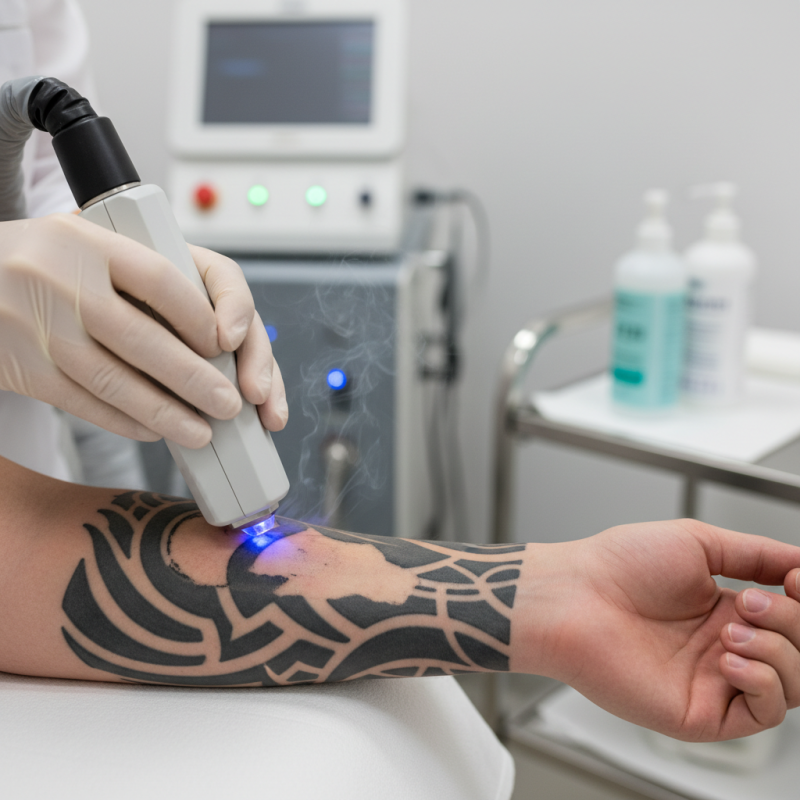
How Many Sessions Are Needed for Complete Tattoo Removal?

Factors Influencing the Number of Sessions for Tattoo Removal

Tattoo removal is a complex process influenced by several factors. Skin type plays a significant role. For example, lighter skin tends to respond better to laser treatments, as the contrast helps target the ink more effectively. According to a study from the American Society for Dermatologic Surgery, people with lighter skin may require fewer sessions—often between six to eight—while those with darker skin might need nine or more.

The ink colors also impact removal success. Dark inks, like black and blue, are easier to break down than lighter colors like green or yellow. A report by the Journal of Cosmetic Dermatology indicates that certain colors can take an average of two additional sessions to remove completely. This variability is critical for those seeking complete elimination of their tattoos.

Finally, tattoo age matters. Older tattoos tend to be easier to remove. The body absorbs ink more effectively over time. However, there are exceptions. Well-done tattoos with deep ink may be more stubborn. Pain management and aftercare must also be considered in every session. Ultimately, each tattoo removal journey is unique and requires tailored approaches.

Types of Tattoos and Their Impact on Removal Sessions

The type of tattoo significantly affects the number of sessions needed for complete removal. Tattoos vary in size, color, and depth, each impacting the removal process differently. For instance, black ink is typically easier to remove. The laser targets the pigment, breaking it down effectively. This means fewer sessions, often around 5 to 10, depending on the tattoo’s specifics.

Colorful tattoos present a different challenge. Colors like green and blue can be stubborn, often requiring additional sessions. Some clients may experience frustration when multiple attempts do not yield quick results. Patience is key, as lighter colors may fade more slowly. Furthermore, older tattoos can be more complex due to ink settling deeper in the skin. The amount of ink used and the technique applied during the original tattooing also play a vital role.

Healing times between sessions add to the timeline. Skin needs time to recover, which can be a source of irritation for those eager for quick results. Each person’s skin reacts differently, leading to variability in removal. This unpredictability can challenge even seasoned practitioners, emphasizing the need for realistic expectations. Embracing this journey, with all its complexities, is essential for anyone considering tattoo removal.

Understanding Tattoo Removal Techniques and Their Efficacy

Tattoo removal has evolved significantly in recent years, primarily through laser technologies. These methods target ink particles, breaking them down for natural elimination by the body. The intensity and type of laser used can influence the effectiveness of the treatment. Studies show that complete removal typically requires between 6 to 10 sessions, depending on factors like ink color and skin type.


For example, darker inks like black or blue respond more readily to laser treatment compared to brighter colors. According to the American Society for Aesthetic Plastic Surgery, patients often report a noticeable fading after just a few sessions. However, complete removal can be unpredictable. Some clients find that certain ink colors resist fading. Pain, scarring, and potential skin discoloration are also concerns that can arise during this process.


In some cases, individuals may require additional sessions. This variability underscores the importance of consulting with qualified practitioners. Understanding the limitations of each technique is crucial. While laser removal is the safest option, it's not foolproof. Some may experience disappointing results, prompting reflection on their tattoo choices.

Post-Treatment Care and Its Role in Successful Tattoo Removal

Post-treatment care is crucial for successful tattoo removal. After each session, the skin needs careful attention. Clean the area gently with mild soap and water. It is essential to avoid scrubbing. Applying a recommended aftercare ointment can aid healing. This contributes to better results in the long run.

Keeping the treated area protected from sunlight is another vital aspect. UV exposure can impact the skin's healing process. If you must go outside, wear a bandage or a clothing barrier. Avoid swimming in pools or hot tubs until fully healed. These environments can introduce bacteria, which disrupts the recovery.

It's normal to experience some discomfort post-treatment. Redness and swelling may occur, but they usually subside with proper care. Over time, it can be disappointing to see slow progress. Everyone's skin responds differently. Patience is key during this process. Regular follow-ups with a professional can keep you on track. Remember, each session contributes to your overall goal of tattoo removal.

How Many Sessions Are Needed for Complete Tattoo Removal? - Post-Treatment Care and Its Role in Successful Tattoo Removal

Tattoo Color Average Sessions Required Healing Time (Weeks) Post-Treatment Care Importance
Black 5-10 2-4 High
Blue 8-12 4-6 Medium
Green 10-15 4-8 Very High
Red 7-12 3-5 High
Yellow 9-14 4-7 Medium

Average Session Intervals: Planning Your Tattoo Removal Journey

Planning your tattoo removal journey begins with understanding the average session intervals. Typically, sessions occur every 6 to 8 weeks. This time allows your skin to heal and recover. Healing is crucial for optimal results. Each session needs time for your body to process the ink removal.

Consistency plays a key role in achieving complete tattoo removal. Missing sessions or extending the intervals can lead to less effective results. Additionally, individual skin types vary. Factors like skin tone and tattoo depth also influence the number of sessions required. Some people may need fewer sessions, while others may need more.

It's important to consult with experienced professionals. They assess your specific tattoo and skin condition. Some may feel anxious about the journey, and that's normal. Each person's experience can differ. Patience is essential. This process isn't always straightforward, and occasional setbacks can occur. Keeping realistic expectations will help in navigating your tattoo removal journey.

How Many Sessions Are Needed for Complete Tattoo Removal?

The following bar chart illustrates the average number of sessions required for complete tattoo removal based on different tattoo characteristics such as size, ink color, and skin type.

FAQS

: What factors affect the number of sessions needed for tattoo removal?

: The tattoo's size, color, and depth greatly influence the number of sessions required.

Why are black tattoos easier to remove?

Black ink absorbs laser light effectively, allowing for quicker breakdown and fewer sessions.

What challenges do colorful tattoos present?

Colors like green and blue can be stubborn, often needing more sessions for complete removal.

How do healing times impact the removal process?

Skin requires time to recover between sessions, which can slow down the overall process.

What post-treatment care is necessary?

Gently clean the treated area and apply recommended ointments for better healing and results.

How does sun exposure affect tattoo removal?

UV exposure can hinder the healing process, so protecting the area from sunlight is essential.

Is it normal to experience discomfort after treatment?

Yes, mild redness and swelling are common but usually subside with proper care.

What if progress seems slow after sessions?

Slow progress can be disappointing but is normal. Each person's skin reacts differently.

Should I avoid swimming after treatment?

Yes, avoid swimming in pools or hot tubs until the area is fully healed to prevent infection.

What should I do if I feel frustrated during the process?

Patience is key. Embrace the journey and maintain realistic expectations for tattoo removal.

Conclusion

The process of tattoo removal can vary significantly depending on several factors, including the type of tattoo, its ink density, and the removal technique used. Understanding how many sessions for full tattoo removal is essential for anyone considering this procedure. Darker and more intricate tattoos typically require more sessions compared to lighter and simpler designs.

Effective tattoo removal techniques, such as laser treatments, play a crucial role in determining the number of sessions needed. Additionally, post-treatment care is vital in supporting the healing process and ensuring a successful outcome. Patients should also consider the average intervals between sessions to plan their tattoo removal journey effectively. By comprehensively assessing these elements, individuals can have realistic expectations regarding the total number of sessions required for complete tattoo removal.

Madeline

Madeline

Madeline is a dedicated marketing professional with a wealth of expertise in our company's core offerings. With a keen understanding of the industry, she brings a unique perspective to her role, consistently delivering high-quality content that highlights the superior aspects of our products. As......