Laser tattoo removal can be a transformative journey. However, understanding what to expect during laser tattoo removal healing is crucial. Dr. Emily Chen, a leading dermatologist with over a decade of experience in tattoo removal, emphasizes, “Healing varies greatly from person to person, but awareness eases the process.”
Typically, patients encounter redness and swelling immediately post-treatment. These symptoms are normal, yet they can provoke concern. The healing process unfolds over weeks and may bring discomfort. Skin may feel tight or itchy. It's important to avoid picking at scabs, as this can lead to complications.
Every individual’s skin responds differently. Some may experience pigment changes or prolonged sensitivity. These outcomes are not failures but reminders of our skin's uniqueness. Be patient, and reach out to your provider if discomfort feels overwhelming. Embracing this process requires self-compassion and realistic expectations.
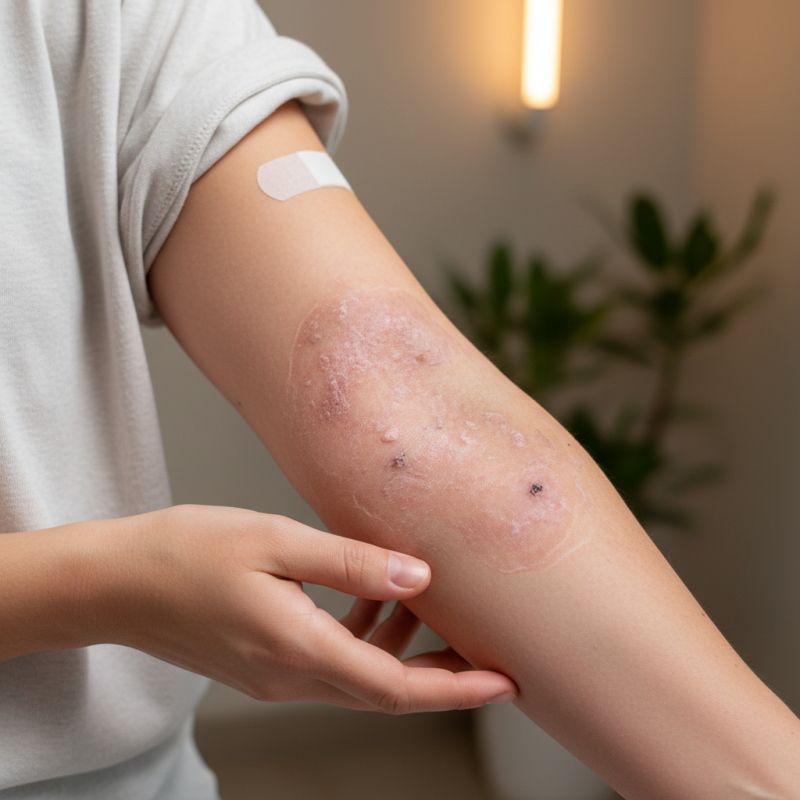
Laser tattoo removal is a popular choice for those seeking to erase unwanted ink. Understanding the laser tattoo removal process is crucial for successful healing. When you arrive for your session, a practitioner will assess your tattoo. They will explain how the laser penetrates the skin to break up ink particles. This process varies based on tattoo size and ink color.
After the procedure, it’s essential to understand the healing timeline. Initially, the treated area may feel sore and look red. This is a normal response as your skin begins to heal. In the days following, you might notice blisters or peeling. Applying ointment can soothe the skin. It's important to resist scratching or picking at the area, even if it itches.
Healing typically takes several weeks. Many factors influence this, such as your skin type and tattoo depth. While some people experience minimal side effects, others may endure prolonged discomfort. Keeping the area clean is vital for preventing infections. Remember, everyone’s experience differs, and patience is a key part of the healing journey.
Laser tattoo removal is increasingly popular. However, understanding the healing process is crucial. After your session, you may experience several common side effects. These can vary significantly from person to person.
Swelling and redness around the treated area are typical. This usually fades within a few days. Blistering might occur too. While it can be alarming, blisters are a sign that your skin is healing. It’s essential to resist the urge to pop them. Infection is a risk, and popped blisters can complicate healing. Scabbing may develop as well, so keep the area clean and moisturized.
Some clients report experiencing itchiness. This is normal and can be relieved with soothing creams. Monitor the tattoo area for any unusual signs. If the healing process seems off, consult a professional. Each tattoo and skin type reacts differently, leading to unexpected circumstances. Some may not heal as expected, leaving room for reflection and learning. Follow care instructions closely for the best outcome.
After undergoing laser tattoo removal, proper skin care is essential for optimal healing. Experts recommend keeping the treated area clean and moisturized. Clean the area with mild soap and lukewarm water. Avoid harsh chemicals that can irritate the skin. Moisturizing helps maintain skin elasticity and promotes healing. Use a fragrance-free lotion or ointment.
It’s crucial to avoid direct sun exposure. The treated skin is sensitive and can easily become sunburned. According to the American Academy of Dermatology, UV rays can worsen scarring. Wear protective clothing or seek shade. Using sunscreen with at least SPF 30 can also minimize risks.
Some healing discomfort is common. Patients may experience redness, swelling, or blistering. These are normal responses and typically resolve within two weeks. Proper aftercare can prevent complications, such as infection or scarring. Following your practitioner's specific instructions is vital. Investing time in care is essential for beautiful results.
Healing after laser tattoo removal can be a complex process. Understanding the signs of complications is essential for anyone undergoing this procedure. While many experience typical healing, unexpected issues may arise.
Redness and swelling are common and usually resolve within a few days. However, if the area becomes increasingly painful or shows persistent swelling, seek medical help. Blistering can occur, but excessive blisters may indicate an infection. Watch for discharge that appears yellow or green; this can signify a problem.
It’s vital to monitor for fever or chills, as these may signal a serious reaction. Additionally, if the tattoo area develops crusting that persists beyond a week, consult a healthcare professional. Sometimes, discoloration or scarring can happen as well. Not all reactions are immediate. Stay vigilant during your recovery to ensure timely intervention. Healing is unique for everyone. If something feels off, err on the side of caution and reach out to a specialist. Early detection can make a significant difference in your healing journey.
After laser tattoo removal, managing pain and discomfort is crucial for a smooth healing process. The treated area may feel sensitive or aching. Applying a cold compress can provide immediate relief. It helps reduce swelling and numbs the area effectively.
Over-the-counter pain medication can also assist in managing discomfort. However, it’s essential to follow dosage guidelines strictly. Keeping the area clean and moisturized minimizes irritation. Be cautious with products you use; some may cause an adverse reaction. Monitor your skin for any signs of infection, like increased redness or pus. If you notice these symptoms, consult your healthcare provider immediately.
Every individual responds differently to treatment. Healing may not always follow a predictable path. Some may feel significant discomfort, while others may experience little. This variability is normal, but being prepared can ease anxiety. Always prioritize listening to your body and reach out for professional advice when needed.
| Tip Number | Tip | Description |
|---|---|---|
| 1 | Follow Aftercare Instructions | Adhere to the specific aftercare instructions given by your specialist to avoid complications. |
| 2 | Manage Pain Effectively | Use recommended pain relief methods such as over-the-counter medications. |
| 3 | Keep the Area Clean | Gently clean the treated area to prevent infection and promote healing. |
| 4 | Avoid Sun Exposure | Keep the treated area out of direct sunlight to minimize discoloration. |
| 5 | Stay Hydrated | Drink plenty of water to support the healing process. |
| 6 | Avoid Scratching | Do not scratch or pick at scabs to avoid scarring. |
| 7 | Moisturize the Skin | Use recommended moisturizers to keep the skin hydrated. |
| 8 | Attend Follow-up Appointments | Schedule and attend follow-up checkups to monitor healing progress. |
| 9 | Be Patient | Understand that healing can take time and vary from person to person. |
| 10 | Seek Medical Advice if Needed | If you notice any unusual symptoms, contact your healthcare provider promptly. |
: Expect an assessment of your tattoo and an explanation of how the laser works. Your practitioner will guide you.
Initially, it may feel sore and look red. This indicates your skin is starting to heal.
Yes, common side effects include swelling, redness, blistering, and itchiness. Monitor the area closely.
Keep the area clean and moisturized. Apply ointment to soothe any irritation, and avoid scratching.
If you notice persistent swelling, increasing pain, or unusual discharge, consult a healthcare professional.
Everyone heals differently. If something feels off, seek advice. Early intervention can be important.
Yes, scabbing may develop. It's important to keep the area clean and avoid picking at it.
Healing typically takes several weeks. Factors like skin type and tattoo depth influence this timeline.
Blisters can occur and are usually a sign of healing. Do not pop them, as it increases infection risk.
Yes, itchiness is common and can be relieved with soothing creams. Stay vigilant and monitor the area.
When considering laser tattoo removal, it’s essential to understand what to expect during laser tattoo removal healing. The process involves several stages, starting with the initial treatment and following a specific healing timeline. Patients commonly experience side effects such as swelling and redness, which typically subside with proper care. It’s important to keep the treated area clean and moisturized to promote healing.
During this time, individuals should be aware of signs of complications that might require medical attention, such as persistent pain or unusual changes in skin appearance. Managing pain and discomfort with prescribed methods is also crucial to ease the recovery experience. By following these guidelines and knowing what to expect, you can navigate the healing process more effectively and achieve desirable results.
