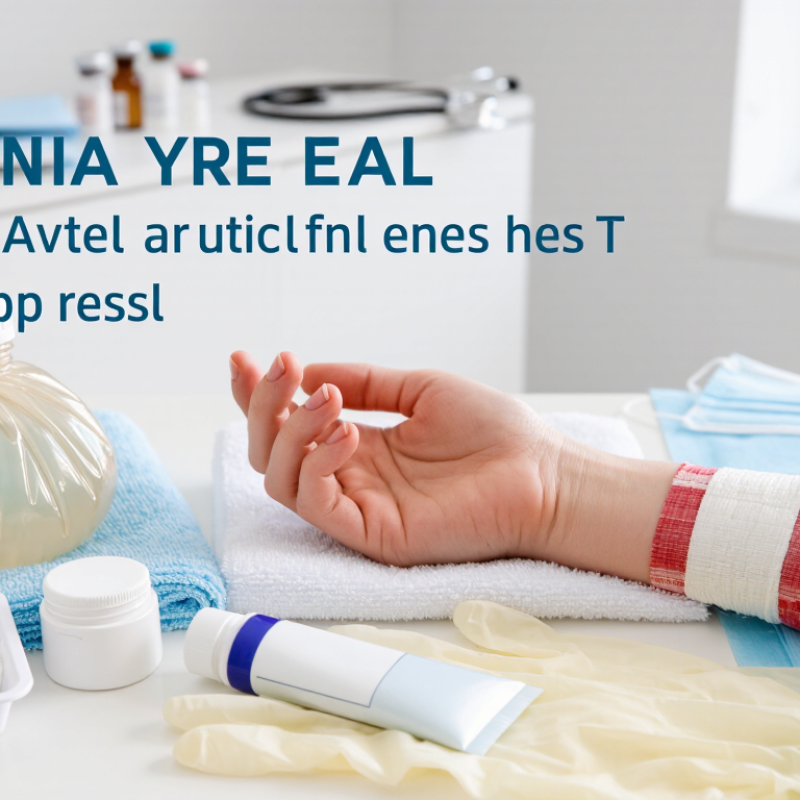
China Top 10 Laser Tattoo Removal Healing Tips?

Time:2026-10-03 Author:Sienna
0%

Laser tattoo removal is not finished when the laser stops. Your skin still needs time to calm, repair, and gradually clear fragmented ink. This guide, “China Top 10 Laser Tattoo Removal Healing Tips,” explains practical aftercare for each recovery stage.

Many patients notice redness, warmth, swelling, or small blisters after treatment. These reactions can look alarming, but they may occur during normal healing. Healing also differs with ink color, tattoo depth, skin tone, laser type, and treatment settings. There is no universal timeline. That matters.

Understanding what to expect during laser tattoo removal healing can help you respond calmly and recognize warning signs. Keep the treated area clean, avoid picking scabs, and protect it from direct sunlight. Loose clothing may reduce rubbing around larger tattoos. A cool, clean compress can ease discomfort when recommended by your clinician.

Professional advice remains essential. Choose a qualified dermatologist or licensed laser practitioner with experience treating your skin type. Ask about the device, expected reactions, infection precautions, and follow-up care. Proper eye protection is necessary during every session. Never copy aftercare advice from an unrelated procedure.

Some recommendations may need adjustment. A cream that feels soothing for one person might irritate another. Even experienced providers cannot promise identical results. Contact the clinic if pain increases, redness spreads, drainage develops, or fever appears. Small details matter. Your healing skin deserves patience, careful observation, and honest communication with a trained professional.

China Top 10 Laser Tattoo Removal Healing Tips?

Laser Tattoo Removal Healing: What to Expect After Treatment

Laser Tattoo Removal Healing: What to Expect After Treatment

After laser tattoo removal, the treated skin may look red, swollen, or slightly frosted. It can feel warm, like a mild sunburn. Small blisters or pinpoint bleeding may appear, especially after stronger sessions. These reactions often settle within several days. Gently clean the area with mild soap and water. Pat it dry. Do not scrub, scratch, or pick at the skin. A cool compress can reduce discomfort, but avoid placing ice directly on the area.

Follow the clinician’s instructions about ointment or dressings. Keep the area protected from friction and direct sunlight. Use loose clothing when possible. Avoid swimming, hot tubs, saunas, and intense exercise until the skin closes. Do not apply makeup or scented products over open skin. Let blisters heal naturally. They are not invitations to interfere. A common mistake is treating the area as fully healed once redness fades. Deeper healing can continue for weeks.

Watch for spreading redness, worsening pain, pus, fever, or darkening skin. Contact a qualified medical professional if these signs develop. Healing speed depends on ink color, tattoo depth, skin type, immune response, and treatment settings. Avoid comparing your progress with someone else’s photos. Attend follow-up appointments, even when the tattoo looks unchanged. Results are gradual, and patience matters. My advice would be more cautious here: never change aftercare products without professional guidance.

China Top 10 Laser Tattoo Removal Healing Tips? - Laser Tattoo Removal Healing: What to Expect After Treatment
No. Healing Tip What to Expect Typical Timing When to Seek Medical Advice
1 Keep the treated area clean Gently wash with mild soap and clean water, then pat dry. Avoid rubbing, scrubbing, or using harsh cleansers. Begin after treatment and continue during early healing. Contact a qualified clinician if redness spreads, pain worsens, or drainage develops.
2 Protect blisters and scabs Small blisters, crusts, swelling, or temporary tenderness can occur as the skin responds to the laser. Often appears within the first several hours or days. Do not pop blisters or pick scabs. Seek advice for extensive blistering or severe pain.
3 Use the recommended dressing A sterile, non-stick covering may reduce friction and help protect the area, depending on the treatment site and skin condition. Follow the treating professional’s instructions, commonly for the first day or longer if needed. Ask for guidance if the dressing becomes wet, dirty, stuck to the skin, or causes irritation.
4 Apply only approved aftercare products Use products specifically recommended by the treating professional. Avoid alcohol, hydrogen peroxide, fragrances, and unverified bleaching creams. During the complete period of open or irritated skin. Stop a product and seek advice if burning, rash, swelling, or worsening irritation occurs.
5 Limit sun exposure Recently treated skin is more vulnerable to discoloration and irritation. Keep it covered and avoid intentional tanning. Until the skin has fully healed; continue sun protection between sessions. Discuss persistent darkening, lightening, or unusual sensitivity with a clinician.
6 Resume sunscreen after the skin closes Once there is no open skin or active blistering, use a broad-spectrum sunscreen with SPF 30 or higher as directed. After the treated area has healed and whenever it is exposed outdoors. Ask a professional which protection is appropriate for your skin type and treatment area.
7 Avoid friction and strenuous activity at first Tight clothing, rubbing, heavy sweating, swimming, and hot tubs may irritate freshly treated skin. Avoid until the area is comfortable, dry, and no longer blistered or weeping. Seek advice if friction causes persistent bleeding, skin breakdown, or increasing inflammation.
8 Do not scratch or peel healing skin Itching and flaking may occur during repair. Let scabs detach naturally to reduce the risk of scarring or infection. Commonly during the first one to two weeks, although individual healing varies. Get medical advice for thickening scars, spreading redness, pus, fever, or escalating discomfort.
9 Allow adequate time between sessions Tattoo pigment fades gradually as the body clears fragmented ink. Treating too soon can increase irritation and complications. Many treatment plans use intervals of approximately six to eight weeks, adjusted by a professional. Delay the next session if the skin has not completely recovered and consult the provider.
10 Follow individualized professional advice Healing depends on tattoo size, ink colors, location, skin type, laser settings, medical history, and previous treatments. At every appointment and throughout the recovery period. Seek prompt medical care for severe swelling, difficulty breathing, widespread hives, fever, or signs of infection.
Important: Healing times vary. Follow the written aftercare instructions provided by a qualified medical professional. This table is general educational information and does not replace an examination or personalized medical advice.

The First 24 Hours: Essential Skin Care and Protection

China Top 10 Laser Tattoo Removal Healing Tips?

The first 24 hours can shape your skin’s recovery. A laser-treated area may feel hot, swollen, or tender. Mild redness is common. The U.S. Food and Drug Administration lists blistering, crusting, infection, and pigment changes among possible effects. Follow your licensed clinician’s aftercare instructions, because settings and skin responses differ.

Keep the area clean and dry as directed. Wash gently with lukewarm water and clean hands. Do not scrub, pick, shave, or peel crusts. Loose, breathable clothing can reduce friction. If a dressing is applied, change it only according to professional instructions. Avoid swimming, saunas, intense exercise, and direct sunlight during this early period. The American Academy of Dermatology recommends protecting healing skin from ultraviolet exposure, which can worsen discoloration. Use physical coverage rather than applying sunscreen to broken skin unless your clinician approves it.

Cool, not frozen.

A 2023 review in Lasers in Medical Science noted that pigment changes and temporary inflammatory reactions remain recognized concerns after tattoo laser treatment. I used to think more ointment meant faster healing; that assumption is not always correct. Heavy products may trap moisture or irritate treated skin. Increasing pain, spreading redness, pus, fever, or unusual swelling needs prompt medical advice. Healing is not perfectly predictable, and a cautious follow-up is often wiser than guessing.

Days Two to Seven: Cleaning, Moisturizing, and Managing Symptoms

China Top 10 Laser Tattoo Removal Healing Tips?

Between days two and seven, gentle care matters more than aggressive cleaning. Wash your hands before touching the treated skin. Clean the area once or twice daily with lukewarm water and a mild, fragrance-free cleanser. Use your fingertips, not a sponge. Pat dry with a fresh, soft towel. Do not scrub flakes, scabs, or small blisters. Healing is not perfectly linear.

Apply a thin layer of the aftercare moisturizer recommended by your licensed practitioner. Heavy application can trap heat and moisture. Let the skin breathe. Wear loose, clean clothing when the area may rub against fabric. Avoid swimming, hot tubs, saunas, intense exercise, and direct sunlight during this period. Once the skin has closed, use broad-spectrum sunscreen as advised by your clinician. Sun exposure can worsen discoloration.

Mild redness, swelling, itching, tenderness, or blistering may appear and gradually improve. A cool, clean compress can ease discomfort for short periods. Never pop blisters or pull peeling skin. This is where many people become impatient. Contact a qualified medical professional if pain increases, redness spreads, discharge develops, or fever appears. Your skin may look uneven for a while. That does not automatically mean the treatment failed. Follow-up timing should come from the treating practitioner, because tattoo size, ink depth, and skin type affect recovery.

Weeks Two to Four: Supporting Skin Recovery and Tattoo Fading

Weeks Two to Four: Supporting Skin Recovery and Tattoo Fading

By week two, treated skin may look calmer, but pigment can still appear darker. The American Academy of Dermatology notes that tattoo removal usually needs several sessions, often spaced six to eight weeks apart. This interval allows inflammation to settle and the body to clear fragmented ink. Do not scratch peeling skin. Avoid picking scabs, even when itching becomes annoying. I used to think faster fading meant stronger treatment. That assumption is risky.

Tip: Wash gently with lukewarm water and a fragrance-free cleanser. Pat the area dry. Apply only the aftercare product recommended by your qualified medical provider. During weeks two to four, cover the area from direct sunlight. The U.S. Food and Drug Administration warns that laser-treated skin can develop pigment changes after light exposure. Use broad-spectrum sunscreen only after the skin surface has fully closed. Ask your provider when that is safe.

Tip: Track changes with weekly photographs, using the same lighting and distance. Mild redness, dryness, or temporary lightening can occur. Blisters, spreading warmth, pus, severe pain, or fever need prompt medical review. A clinical review in Dermatologic Surgery reports that uneven fading and pigment alteration remain recognized treatment concerns. My own reflection is simple: healing is not always visually impressive. Some weeks show little change. That does not prove the treatment failed. Avoid creams, exfoliating acids, swimming, and heavy friction until the area feels fully normal.

Warning Signs, Common Mistakes, and When to Seek Medical Advice

China Top 10 Laser Tattoo Removal Healing Tips?

Healing after laser tattoo removal needs patience, clean hands, and careful observation. Wash gently with mild soap, then pat the area dry. Follow the clinician’s dressing instructions exactly. Do not pick blisters or scabs. Avoid swimming, saunas, tight clothing, and heavy exercise until the skin closes. Keep the treated area away from direct sunlight. After healing, use broad-spectrum SPF 30 or higher. Sun exposure can worsen temporary darkening, especially on deeper skin tones.

Some reactions are expected. Mild redness, swelling, warmth, and small blisters may appear during the first days. However, pain that increases, redness spreading beyond the treatment area, yellow discharge, fever, red streaks, or a strong unpleasant smell require prompt medical advice. Seek urgent care for facial swelling, breathing difficulty, or rapidly worsening symptoms. Do not apply alcohol, bleach, abrasive scrubs, or unapproved lightening creams. These are common mistakes.

A 2022 systematic review in Lasers in Medical Science identified pigment changes and scarring among reported complications of tattoo removal. The American Academy of Dermatology also warns that darker skin may face greater pigment-change risk. FDA safety guidance notes that adverse-event reports cannot measure true complication rates. That limitation matters. A small test spot, qualified assessment, and documented aftercare plan improve safety. Photograph the area daily. If healing looks worse, contact the treating medical professional rather than waiting. Brilliant skin is not the goal. Healthy skin is.

China Top 10 Laser Tattoo Removal Healing Tips: Warning Signs, Common Mistakes, and When to Seek Medical Advice

Typical duration of common post-treatment effects after laser tattoo removal. Ranges vary with laser type, tattoo size and color, skin type, treatment settings, and individual healing.

Top 10 healing tips

  1. Keep the treated area clean and gently pat it dry.
  2. Follow the clinician’s dressing and ointment instructions.
  3. Use a cool compress for short periods to reduce discomfort.
  4. Do not pick, scratch, peel, or deliberately burst blisters.
  5. Avoid friction from tight clothing or vigorous rubbing.
  6. Protect the area from sunlight and use clinician-approved sunscreen after the skin has closed.
  7. Avoid swimming, hot tubs, and saunas until the surface has healed.
  8. Do not apply makeup, fragranced products, or harsh exfoliants to open or irritated skin.
  9. Attend follow-up sessions only after the skin has fully recovered and the clinician advises it.
  10. Photograph the area regularly and report unusual changes rather than self-treating them.

Warning signs and common mistakes

Increasing pain, spreading redness, worsening warmth or swelling, pus, foul odor, fever, red streaks, heavy bleeding, or an allergic reaction require medical advice. Seek urgent care for breathing difficulty, facial swelling, or rapidly worsening symptoms. Do not use unapproved bleaching products, strong acids, or leftover antibiotics on the treated area.

The chart presents general clinical recovery ranges rather than guaranteed outcomes. Individual healing may take longer, especially when pigment changes or scarring occur.

FAQS

What does treated skin usually look and feel like after laser tattoo removal?

It may appear red, swollen, warm, or slightly frosted. A mild sunburn feeling is common. Small blisters or pinpoint bleeding can occur.

How should I clean the treated area?

Wash gently with mild soap and water. Pat it dry with a clean towel. Do not scrub, scratch, or pick the skin.

Can I use ice for discomfort?

Use a cool compress briefly. Never place ice directly on treated skin. That can cause additional irritation.

What activities should I avoid during healing?

Avoid swimming, hot tubs, saunas, and intense exercise until the skin closes. Loose clothing can reduce friction. Keep the area away from direct sunlight.

Should I pop blisters or remove scabs?

No. Let blisters and scabs heal naturally. Picking can increase irritation, infection risk, and possible scarring.

When can I apply makeup or scented products?

Avoid them while the skin remains open or raw. Do not apply alcohol, abrasive scrubs, or unapproved lightening creams. Wait for professional guidance.

Which symptoms require medical advice?

Contact a qualified medical professional for spreading redness, worsening pain, pus, fever, red streaks, or a strong unpleasant smell. Seek urgent care for facial swelling or breathing difficulty.

How long does healing take?

Mild reactions often settle within several days, but deeper healing may continue for weeks. Redness fading does not mean complete healing. I might underestimate this myself.

Why does healing differ between people?

Ink color, tattoo depth, skin type, immune response, and treatment settings all matter. Do not compare your skin with another person’s photo.

What can support safer recovery?

Follow the clinician’s dressing and ointment instructions exactly. Attend follow-up appointments, even when the tattoo looks unchanged. After the skin heals, use broad-spectrum SPF 30 or higher. Healthy skin matters more than fast results.

Conclusion

Laser tattoo removal healing requires patience, gentle care, and close attention to how your skin responds after each session. This guide explains what to expect during laser tattoo removal healing, including temporary redness, swelling, sensitivity, blistering, or mild discomfort. During the first 24 hours, protect the treated area, keep it clean and dry as advised, avoid friction, and do not pick or scratch the skin. From days two to seven, use gentle cleansing methods, follow professional aftercare instructions, and manage symptoms without irritating the area.

Over the following two to four weeks, the skin gradually recovers while the tattoo may continue to fade as the body processes the pigment. Avoid unnecessary sun exposure and wait until the skin has healed before resuming activities that may cause rubbing or sweating. The article also highlights common mistakes, such as removing scabs, applying unsuitable products, or ignoring aftercare guidance. Increasing pain, spreading redness, excessive swelling, unusual discharge, or signs of infection should be discussed promptly with a qualified medical professional.

Sienna

Sienna

Sienna is a skilled marketing professional with a deep expertise in our company’s core products and services. With a passion for innovation and detail, she plays a pivotal role in crafting insightful blog posts that not only highlight the unique features of our offerings but also provide valuable......