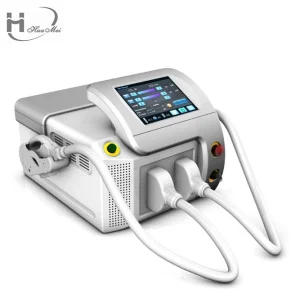
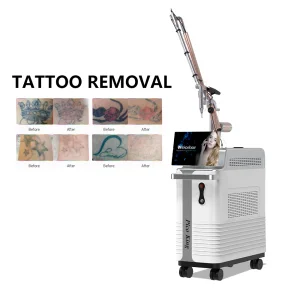
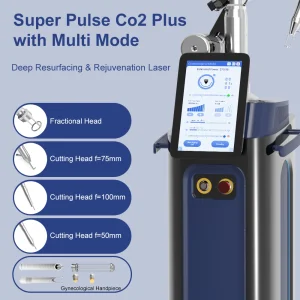
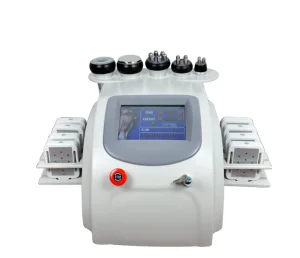
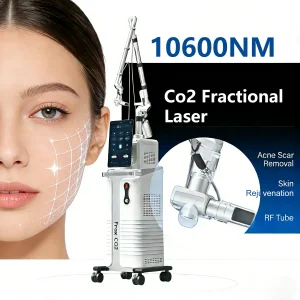
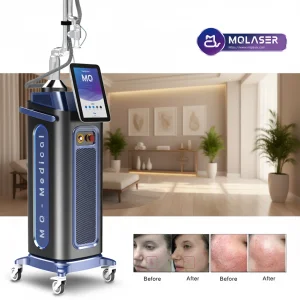
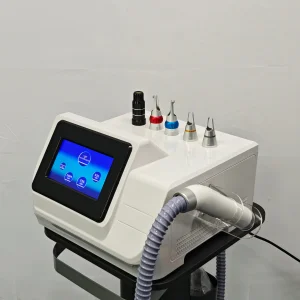
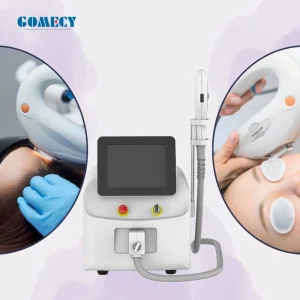
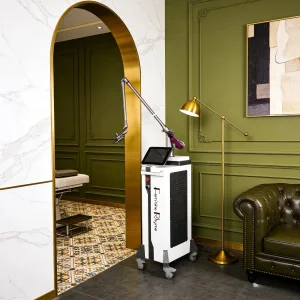
Atrophic scars, characterized by a loss of tissue and a "pitted" appearance on the skin, represent one of the most challenging dermatological conditions to treat. From acne-induced depressions to surgical indentations, the global demand for effective Laser Atrophic Scar Treatment has surged, driven by advancements in fractional photothermolysis and picosecond technology.
The global medical laser market is projected to reach $8.5 billion by 2028, with scar revision being the fastest-growing sub-segment.
Fractional CO2 (10,600nm) and Er:YAG (2,940nm) lasers remain the benchmark for dermal remodeling and collagen induction.
Modern manufacturers are now integrating AI skin analysis to automatically calibrate laser density and pulse duration.
Currently, the market is shifting from localized clinics to large-scale aesthetic medical chains. This transition requires Laser Atrophic Scar Treatment Manufacturers to provide not just machines, but "Total Solutions"—including clinical training, marketing support, and IoT-enabled device management. In regions like North America and the EU, regulatory compliance (MDR/FDA) is the primary barrier, whereas in the Asia-Pacific region, the focus is on rapid technological iteration and cost-efficiency.
The efficiency of Chinese factories like Foshan Monae Beauty Co., Ltd. has redefined the global supply chain. The "China Speed" is not just about labor; it's about a complete industrial ecosystem from semiconductor laser diodes to precision optics.
In Foshan, the proximity to specialized electronic components and optical glass suppliers reduces lead times by 40% compared to Western manufacturers.
Chinese OEM/ODM partners can move from a design concept to a functional prototype in as little as 30 days, allowing clinics to stay ahead of aesthetic trends.
By optimizing manufacturing processes, Chinese factories offer medical-grade technology at a price point that allows clinic owners to achieve a Return on Investment (ROI) within 6-12 months.
Based on strong innovation and advanced manufacturing capabilities, Foshan Monae Beauty Co., Ltd. is dedicated to providing high-quality medical aesthetic and beauty equipment solutions to customers worldwide. We specialize in the research, development, production, and customization of professional beauty devices, helping partners build their own brands with reliable quality, competitive pricing, and comprehensive services.
Years Experience
Global Patents
Countries Served
Technical Support
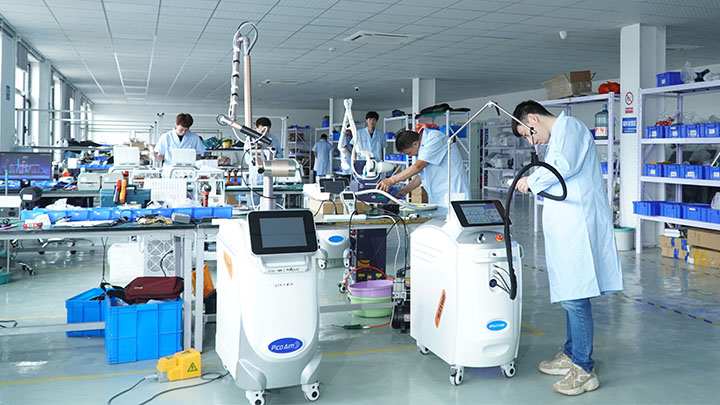
Our experienced R&D team, composed of skilled engineers and industry experts, continuously develops advanced beauty technologies and equipment according to the latest market trends. From appearance design to system optimization, every product is developed with a focus on performance, safety, and efficiency.
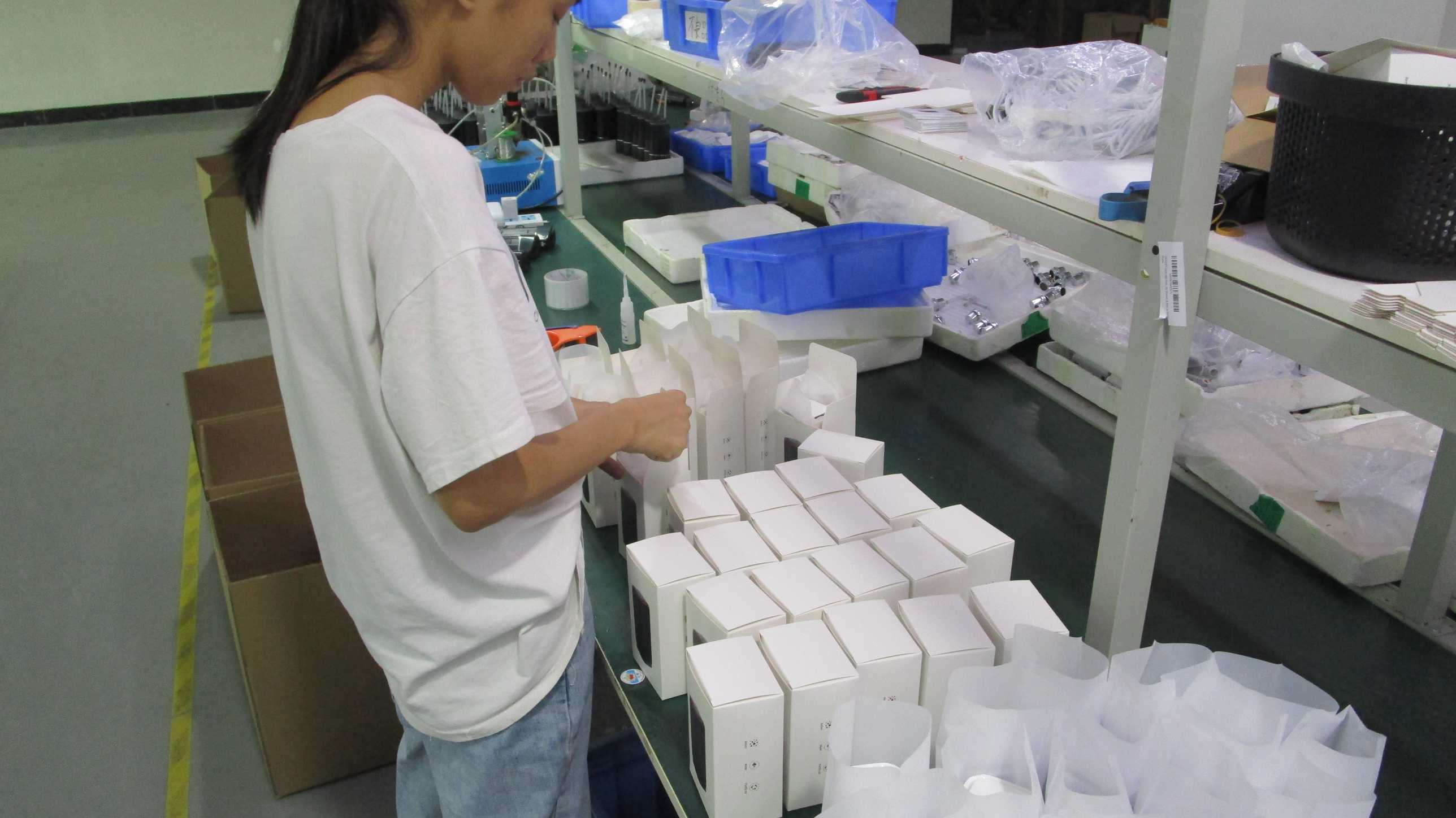
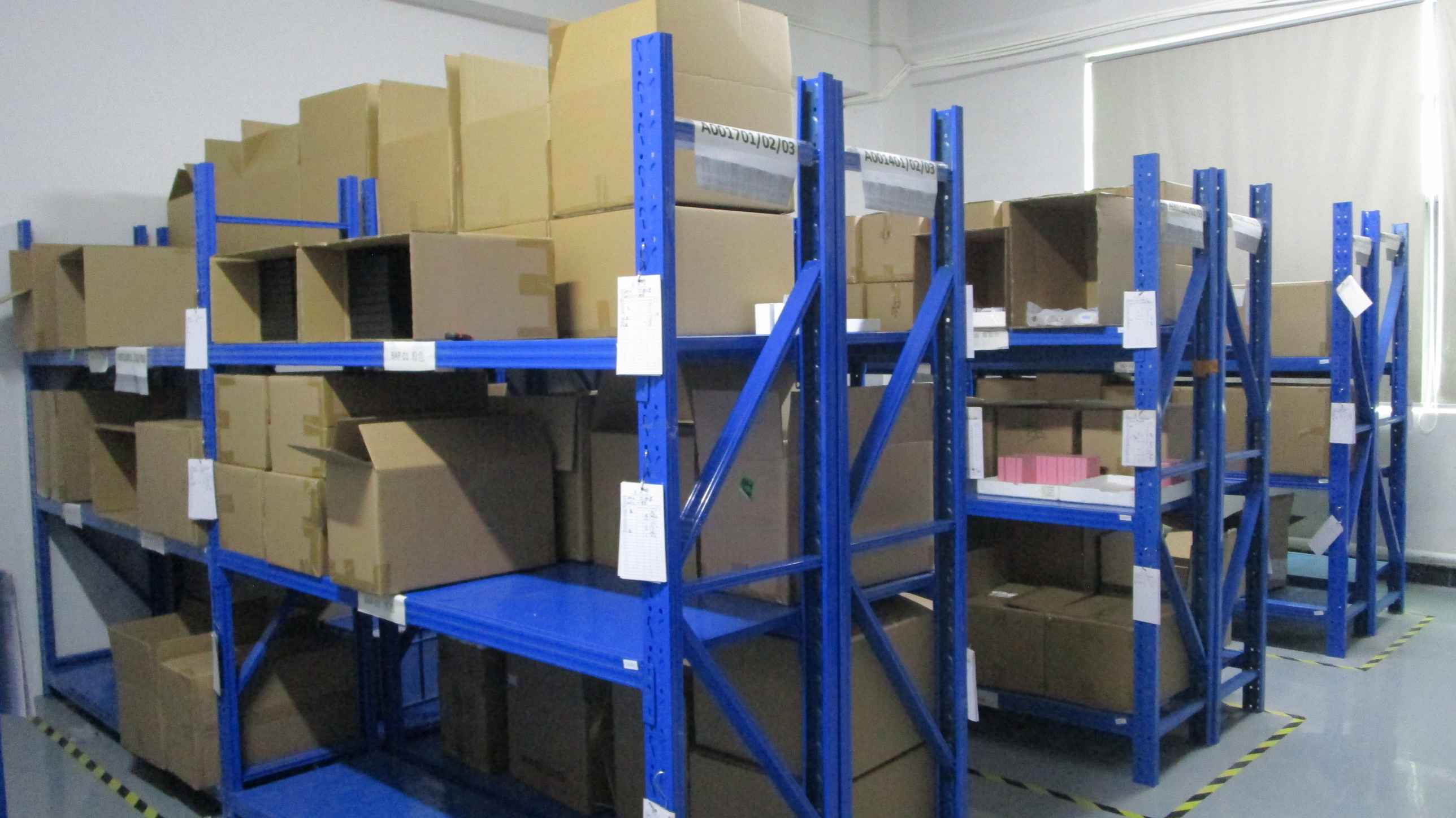
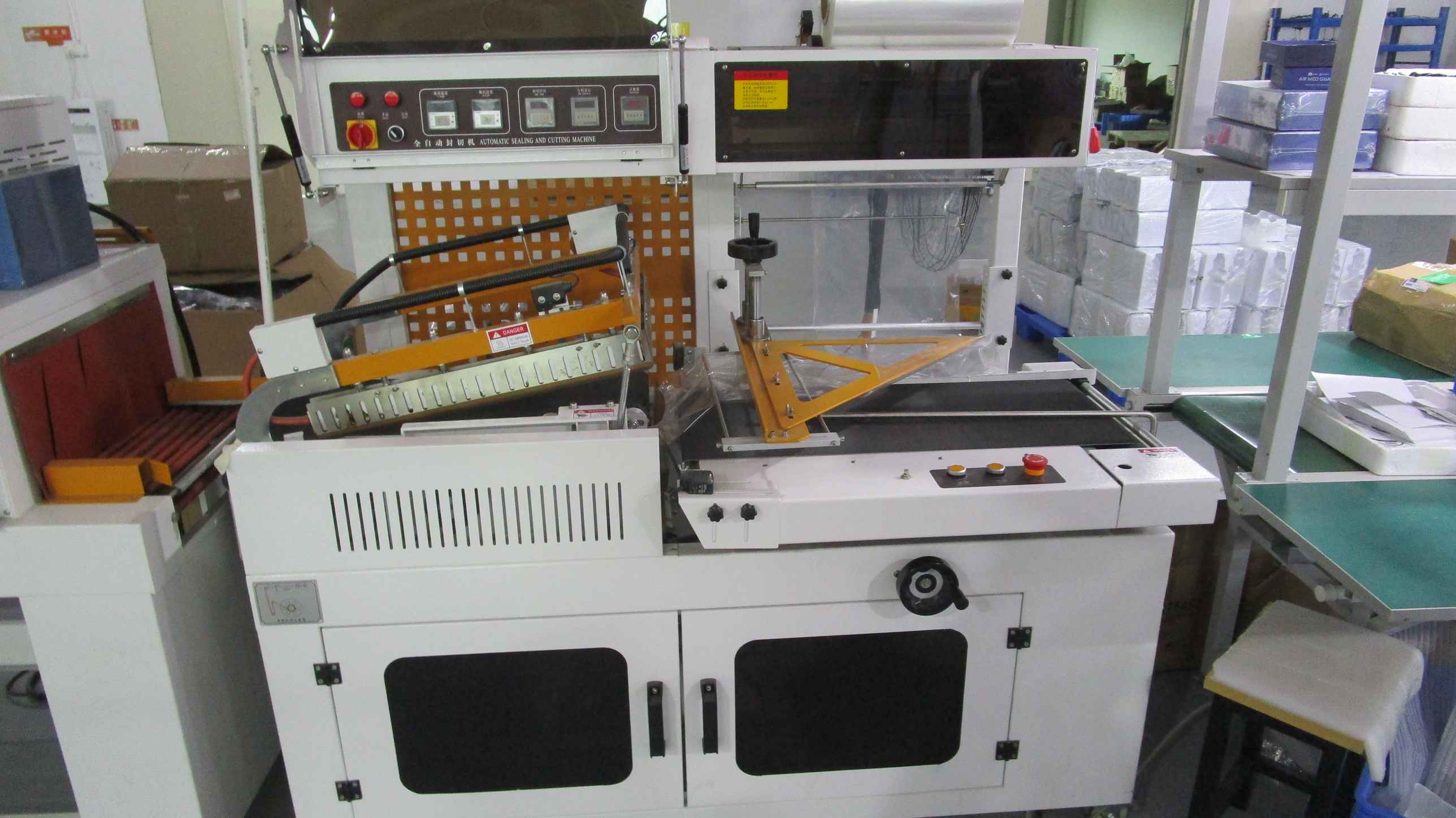
Quality is our top priority. We use premium components and advanced manufacturing processes to ensure every machine meets international quality standards. All products undergo rigorous testing for safety, stability, and durability before delivery.
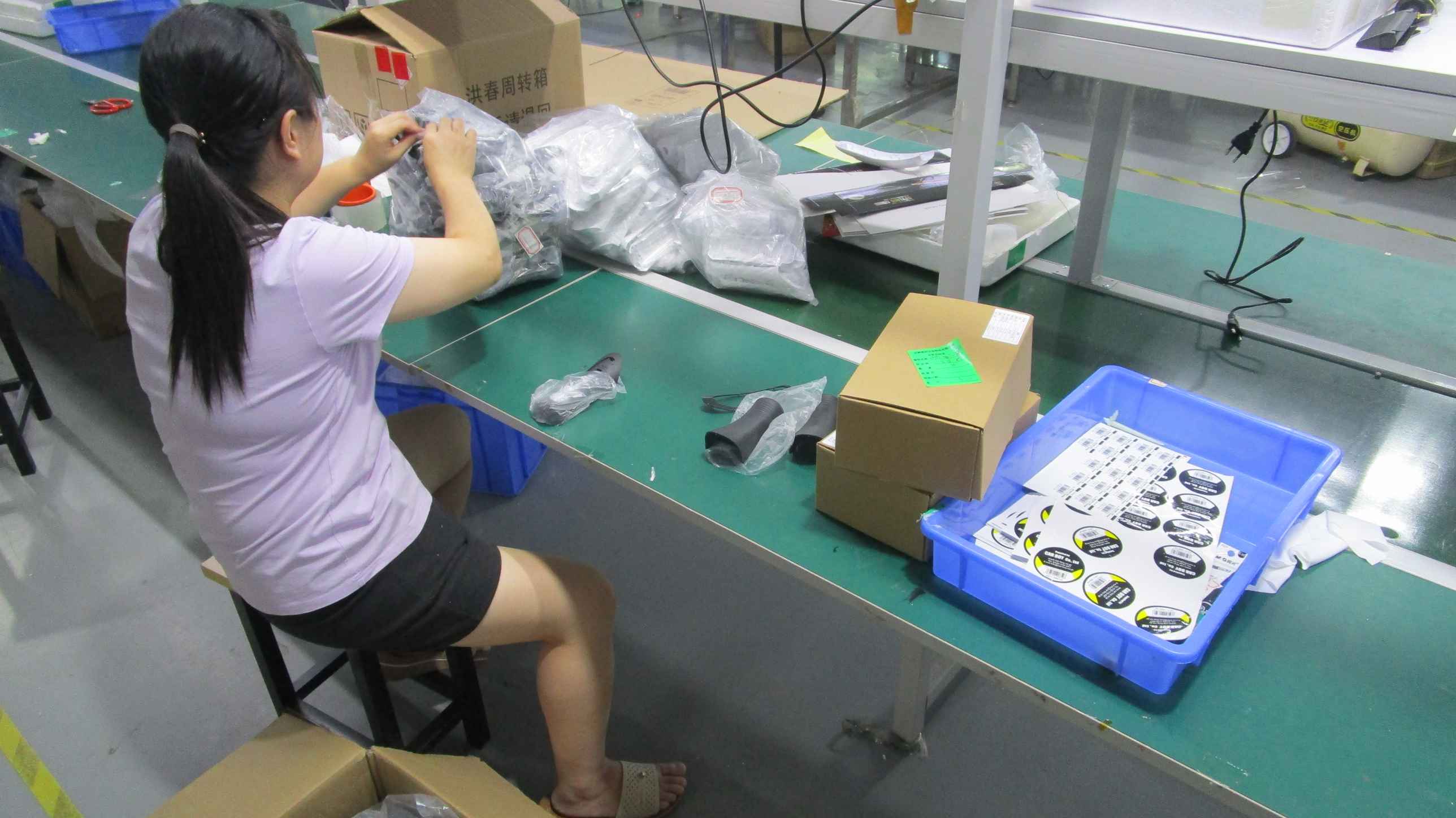
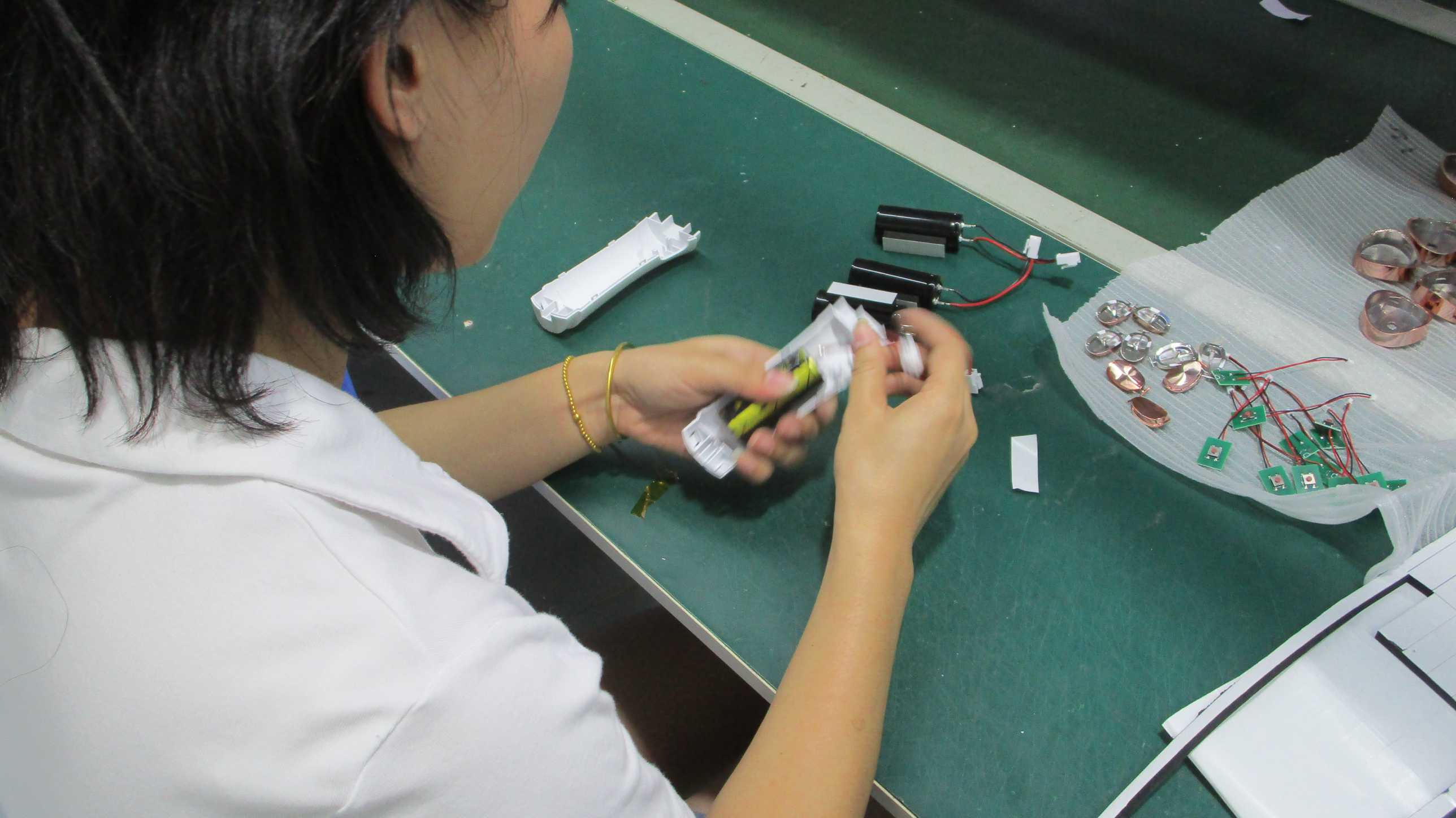
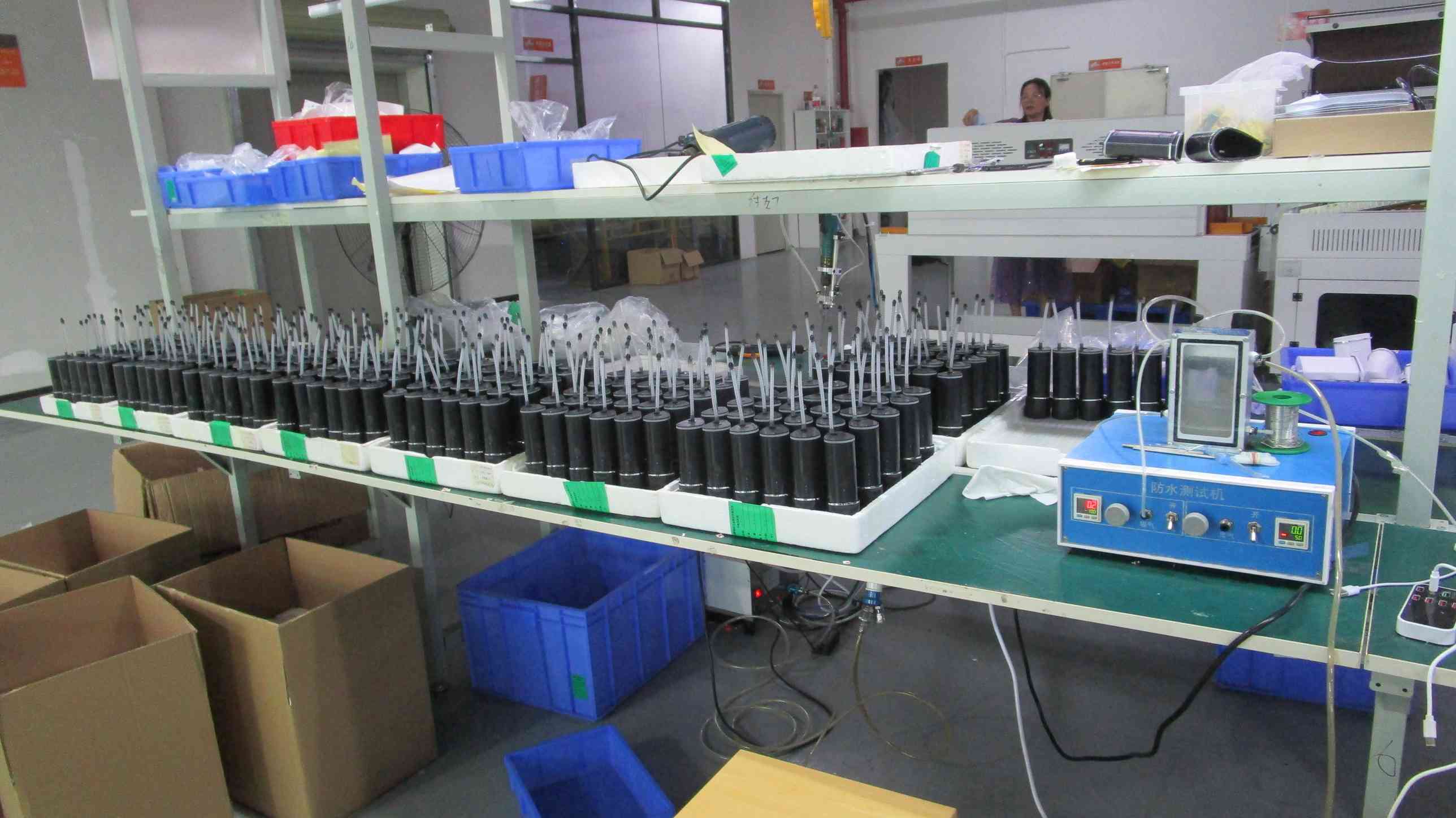
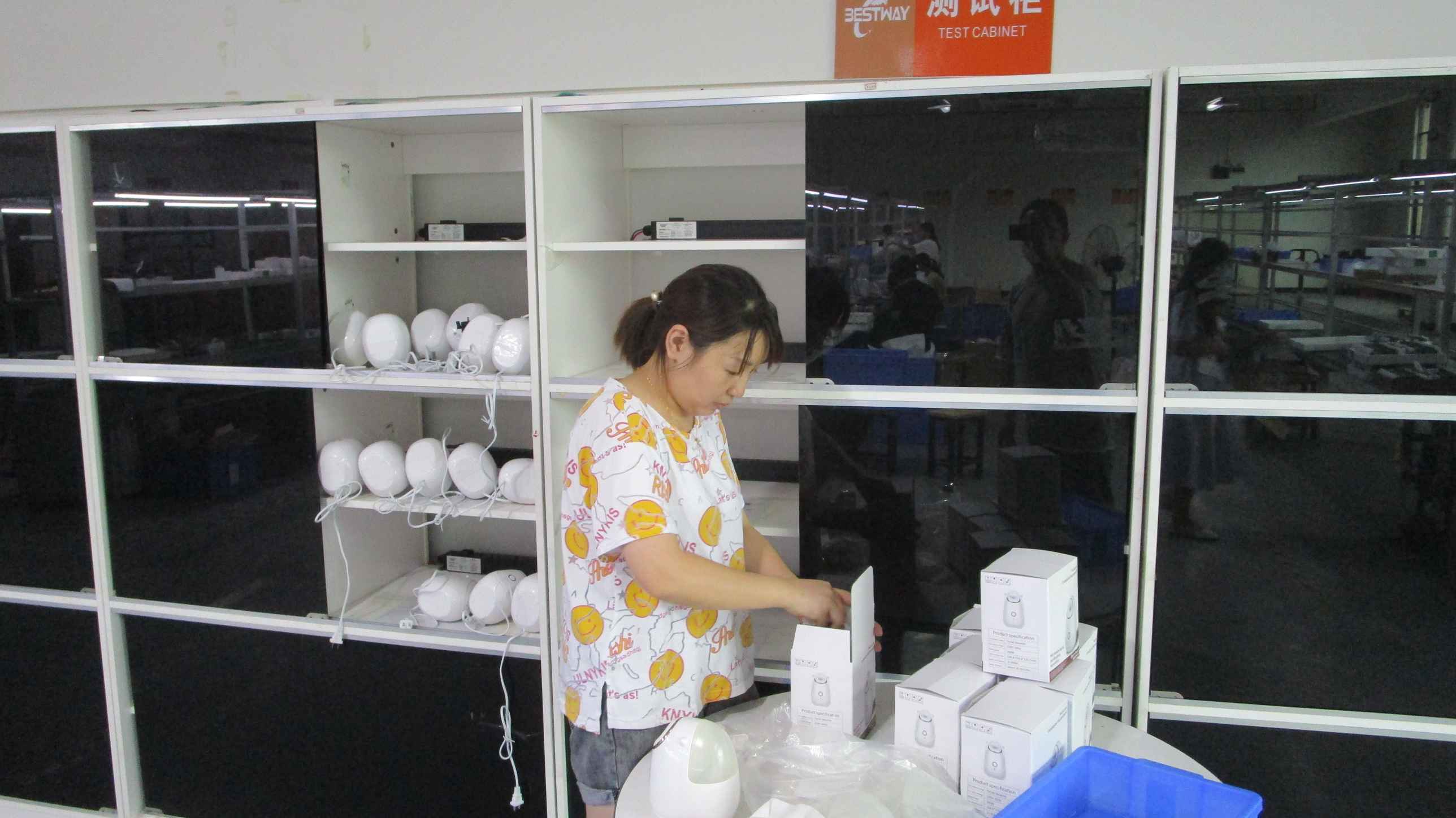
Utilizing high-power CO2 fractional lasers for post-surgical scar revision and deep ice-pick acne scars.
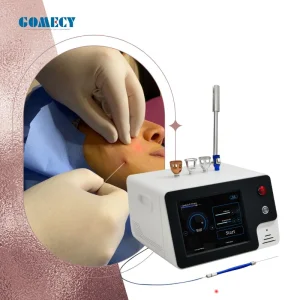
Implementing non-ablative Er:Glass or RF microneedling systems for skin texture improvement with minimal downtime.
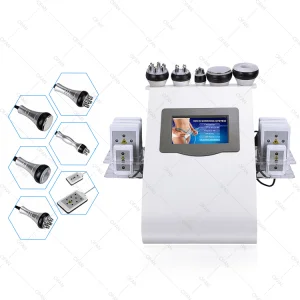
Aesthetic tourism hubs in Thailand, Turkey, and Korea are increasingly procuring multi-platform devices that combine scar treatment with skin tightening.
A: For Europe, CE (Medical MDR) is essential. For the USA, FDA 510(k) clearance is required. Professional manufacturers like Monae Beauty provide full documentation support to ensure smooth customs clearance and clinical legality.
A: Fractional CO2 is ablative, creating micro-thermal zones to vaporize scar tissue and trigger massive collagen regrowth—best for deep atrophic scars. Picosecond lasers use photo-acoustic shockwaves, making them better for pigment-related scarring and rejuvenation with zero downtime.
A: Standard orders usually ship within 7-15 days. Customized OEM orders (private labeling, UI changes) typically take 25-35 days depending on the complexity of the software and casing design.
A: We offer a 1-2 year warranty, 24/7 technical video support, and modular spare parts delivery. Our "Super Mute Terminal" and "Ageing Test" protocols ensure a failure rate of less than 0.5%.
 Monae Beauty