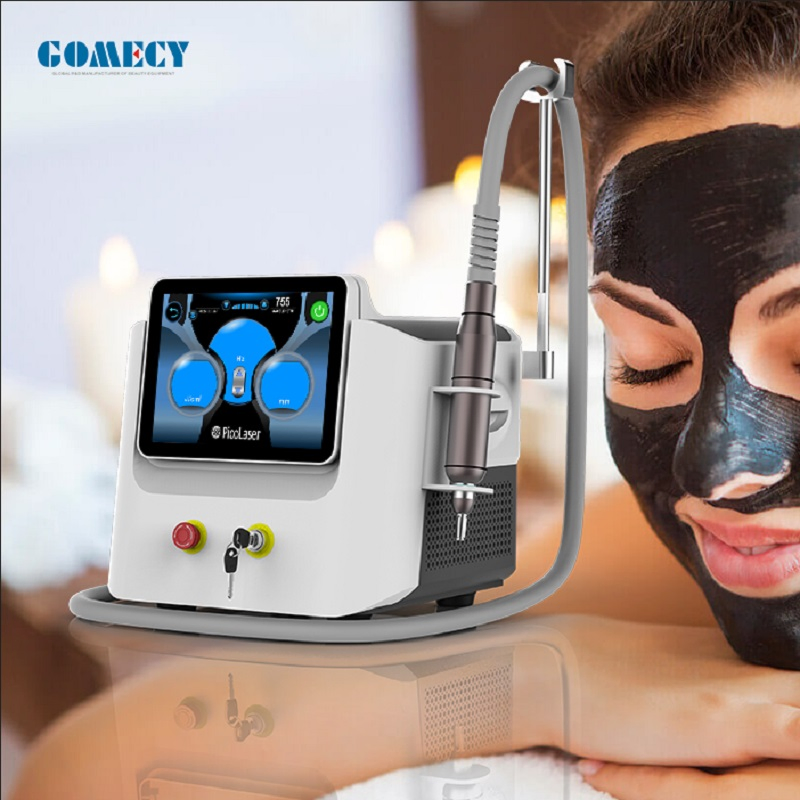
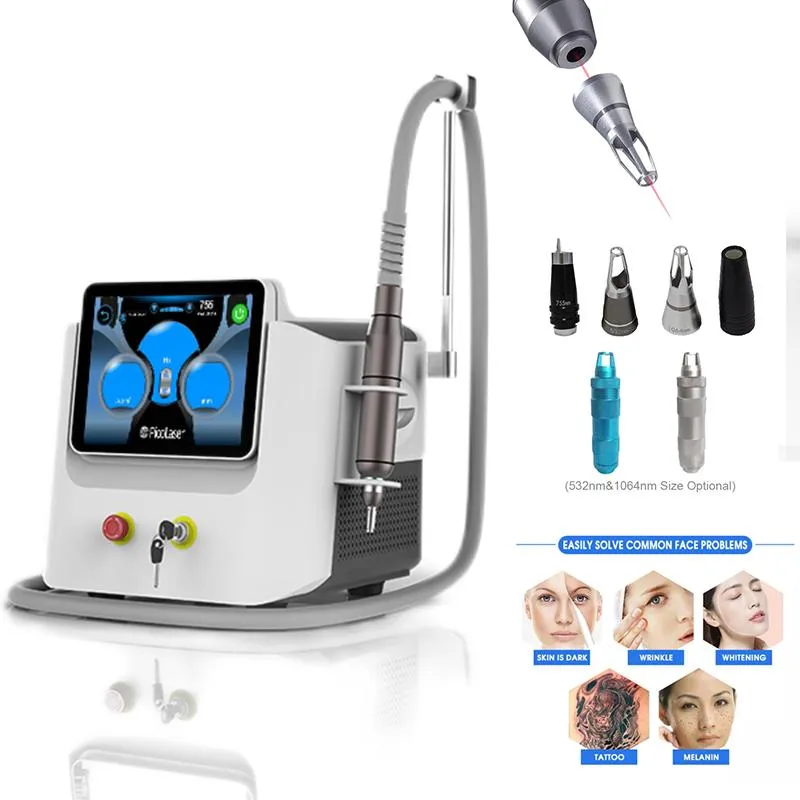
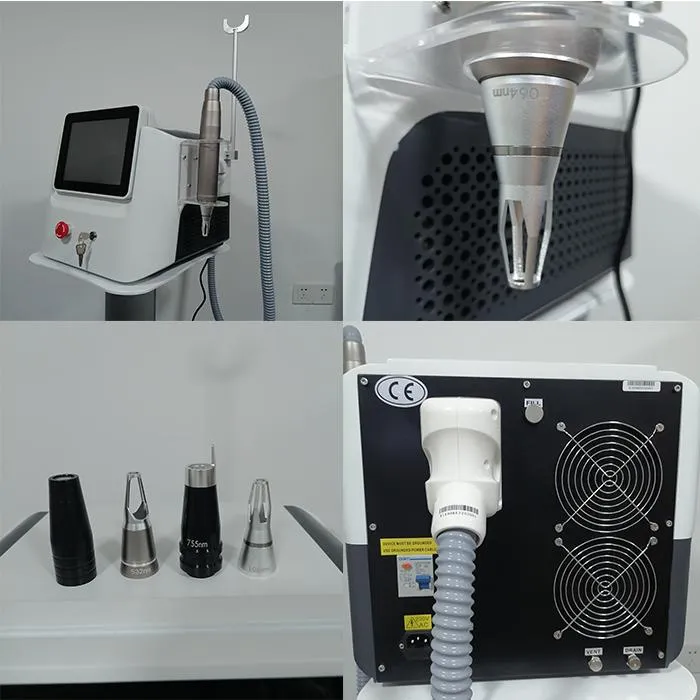
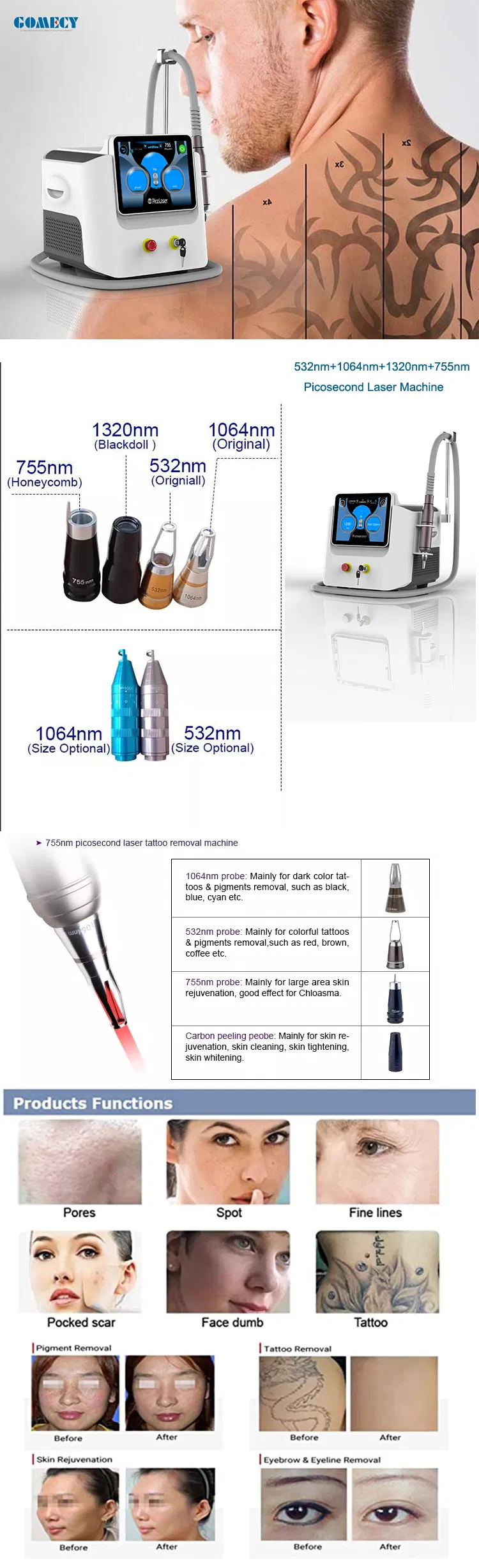
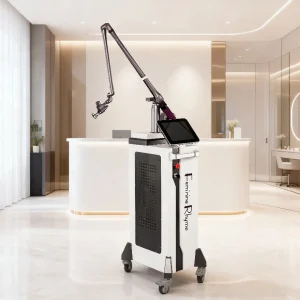
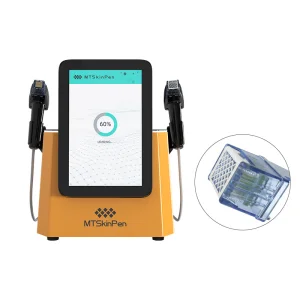
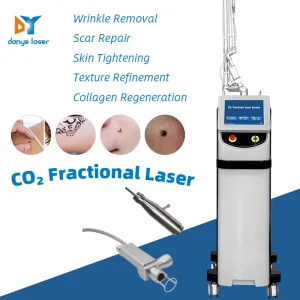
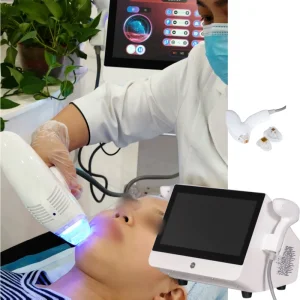
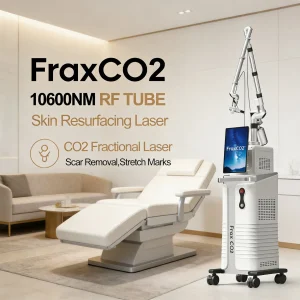
Professional Portable Picosecond Pico Laser Q Switch ND YAG 532nm 755nm 1064nm 1320nm Tattoo Pigment Removal Machine
The picosecond laser is a cutting-edge technology designed for highly effective skin treatments with minimal discomfort and downtime. Utilizing the theory of selective photothermal effects, the laser's powerful bursts of energy precisely target pigmentation, breaking down pigment particles without damaging surrounding skin.
Treatment Applications
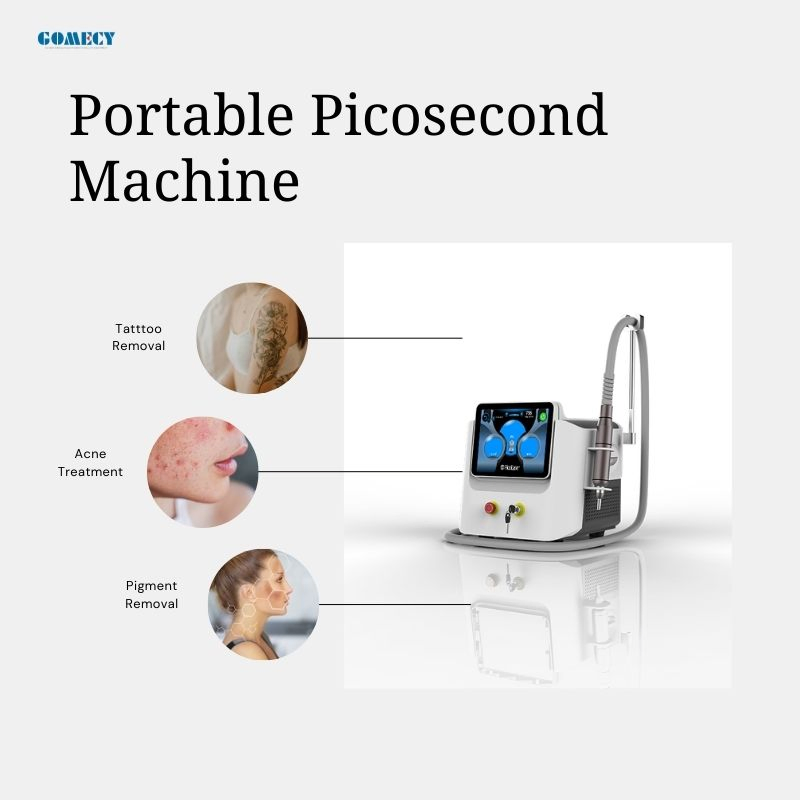
1. Freckle and Pigment Removal
Picosecond lasers are highly effective for targeting freckles, age spots, and other pigmented lesions. By emitting ultra-short bursts of energy, the laser breaks pigment particles into tiny fragments, which are then naturally removed by the body's immune system.
- Selective targeting: Ensures precision treatment, focusing on pigment without harming surrounding skin cells.
- Minimal recurrence: Compared to other methods, picosecond technology significantly reduces the chances of pigmentation reappearing.
- Scar-free healing: Safe, effective treatment with low risk of scarring and a fast recovery time.
2. Tattoo Removal
Regretting that tattoo before an important event? The picosecond laser offers one of the most advanced solutions for tattoo removal.
- Fewer treatments: The laser's high energy can remove tattoos more efficiently, requiring fewer sessions.
- Reduced pain: Ultra-short bursts of energy minimize discomfort during the process.
- Quick recovery: The laser promotes faster healing, allowing you to resume your normal routine sooner.
3. Scar and Wrinkle Treatment
Picosecond lasers are not just for pigment removal. They are also highly effective in treating surgical and acne scars, as well as rejuvenating skin and reducing wrinkles.
- Comprehensive treatment: The laser is versatile, offering excellent results for scar revision, skin revitalization, and wrinkle reduction.
- Safe and gentle: The treatment is non-invasive, promoting skin healing with minimal side effects or downtime.
Key Advantages
⭐ Advanced Technology: Utilizing Honeycomb Focused Technology, the laser forms a protective vacuolization effect on the skin, minimizing damage risks.
🚀 Faster and More Efficient: Reduces treatment sessions from 5-10 down to just 2-4 sessions for noticeable results.
🛡️ Safe and Comfortable: Effective removal of various pigments with minimal discomfort and fewer risks.
✨ Prevents Melanin Precipitation: Ultra-short pulses break melanin into dust-like particles easily eliminated by the body.
Technical Specifications
| Light Source |
ND:YAG solid laser |
| Wavelength |
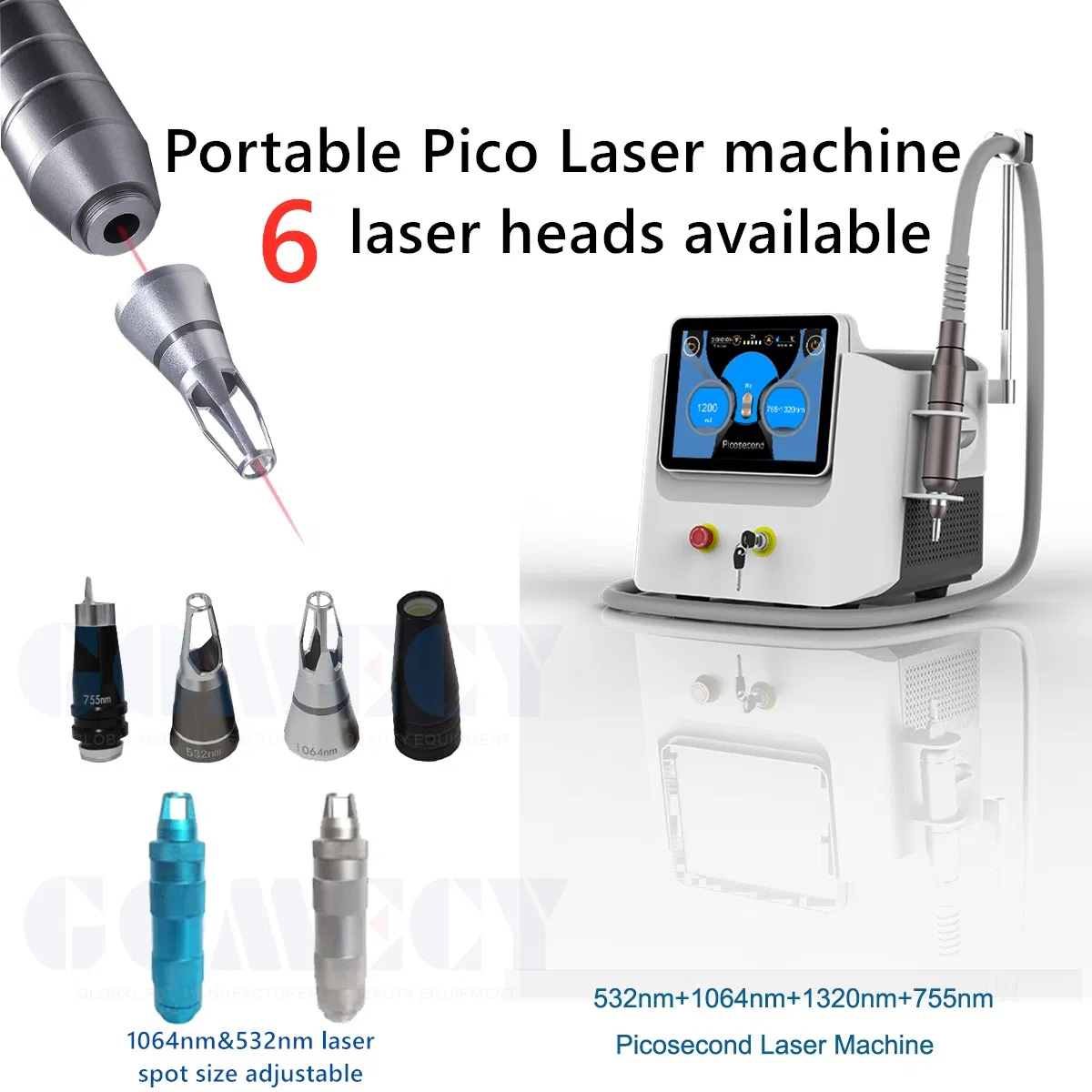
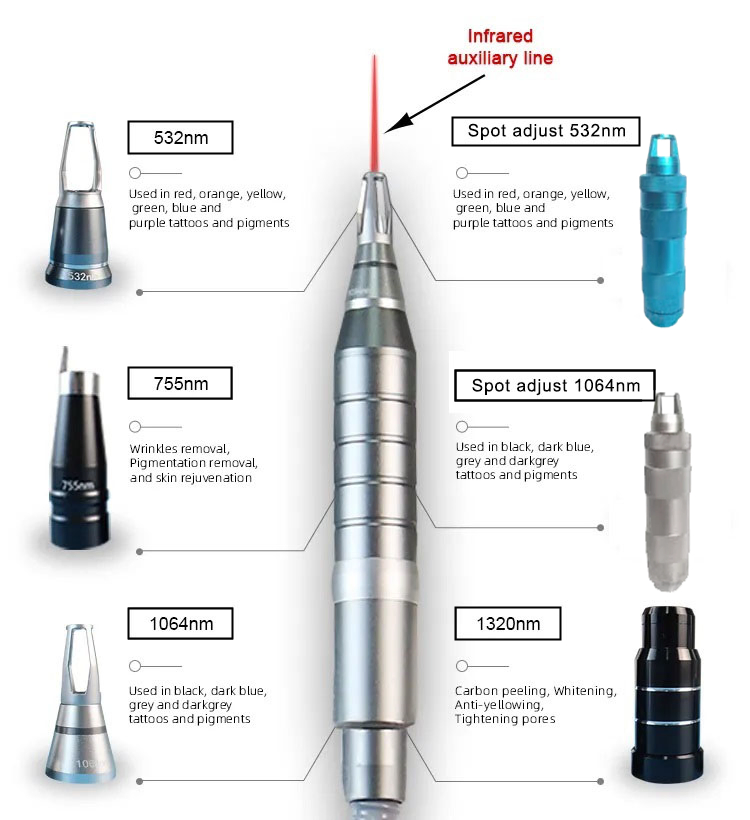
755nm, 1064nm, 532nm, 1320nm |
| Frequency |
1-10HZ adjustable |
| Spot size |
2-10mm adjustable |
| Energy Output |
755/1064nm: 100-1000J/cm² | 532nm: 50-600J/cm² |
| Cooling System |
Water cooling + Air cooling |
| Power Source |
AC220V±10% / AC110V±10% |
| Input Power |
2000VA |
| Net Weight |
20KG |
Frequently Asked Questions
Q: What is a Picosecond laser?
A: It is an advanced laser technology that uses ultra-short pulses (trillionths of a second) to target and shatter pigment into tiny dust-like particles without damaging surrounding skin.
Q: How many sessions are required for tattoo removal?
A: Thanks to its high efficiency, most tattoos can be removed in 2 to 4 sessions, compared to the 5 to 10 sessions required by traditional lasers.
Q: Is the treatment painful?
A: The ultra-short bursts of energy minimize the heat transfer to the skin, making the process much more comfortable and less painful than older laser technologies.
Q: Can it treat acne scars and wrinkles?
A: Yes, the picosecond laser is versatile and highly effective for skin rejuvenation, scar revision, and reducing the appearance of wrinkles.
Q: Is there any downtime after the procedure?
A: Recovery is very fast. Most patients experience minimal redness or swelling that subsides quickly, allowing for a rapid return to normal activities.
Q: Does it prevent pigment from coming back?
A: By breaking down melanin so thoroughly that the body can easily eliminate it, the picosecond laser significantly reduces the risk of pigmentation reappearing.
 Monae Beauty